Clear Sky Science · en
SHANK3 and beta-synuclein are novel blood-based biomarkers for the Phelan-McDermid Syndrome: a pilot study
Why this research matters for families
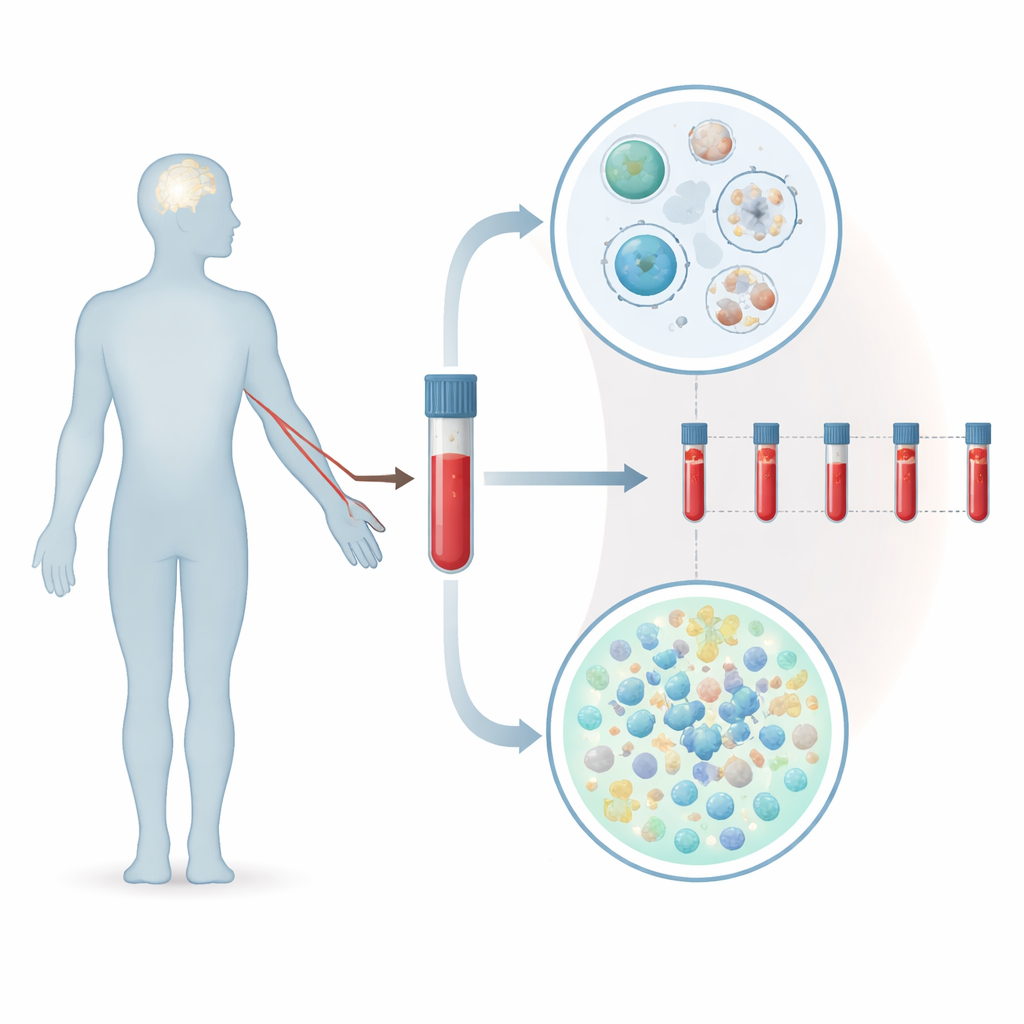
Phelan-McDermid syndrome is a rare genetic condition that often leads to intellectual disability, autism-like features, and serious speech difficulties. As new experimental treatments are being developed, doctors urgently need simple, repeatable tests that can show whether these therapies are affecting the underlying biology of the disorder. This study explores whether a routine blood sample could provide such “window into the brain” by tracking two proteins linked to nerve cell connections.
A rare condition with big communication challenges
Phelan-McDermid syndrome is usually caused by damage to a gene called SHANK3 on chromosome 22. SHANK3 helps organize the contact points where nerve cells talk to each other. When one copy of this gene is missing or faulty, many people develop low muscle tone at birth, delays in walking and talking, intellectual disability, seizures, and behaviors on the autism spectrum. Genetic testing can confirm the diagnosis, but once the label is given, families and clinicians still lack tools to predict how symptoms will evolve or to measure whether a treatment is making a real biological difference.
Looking for clues in a simple blood draw
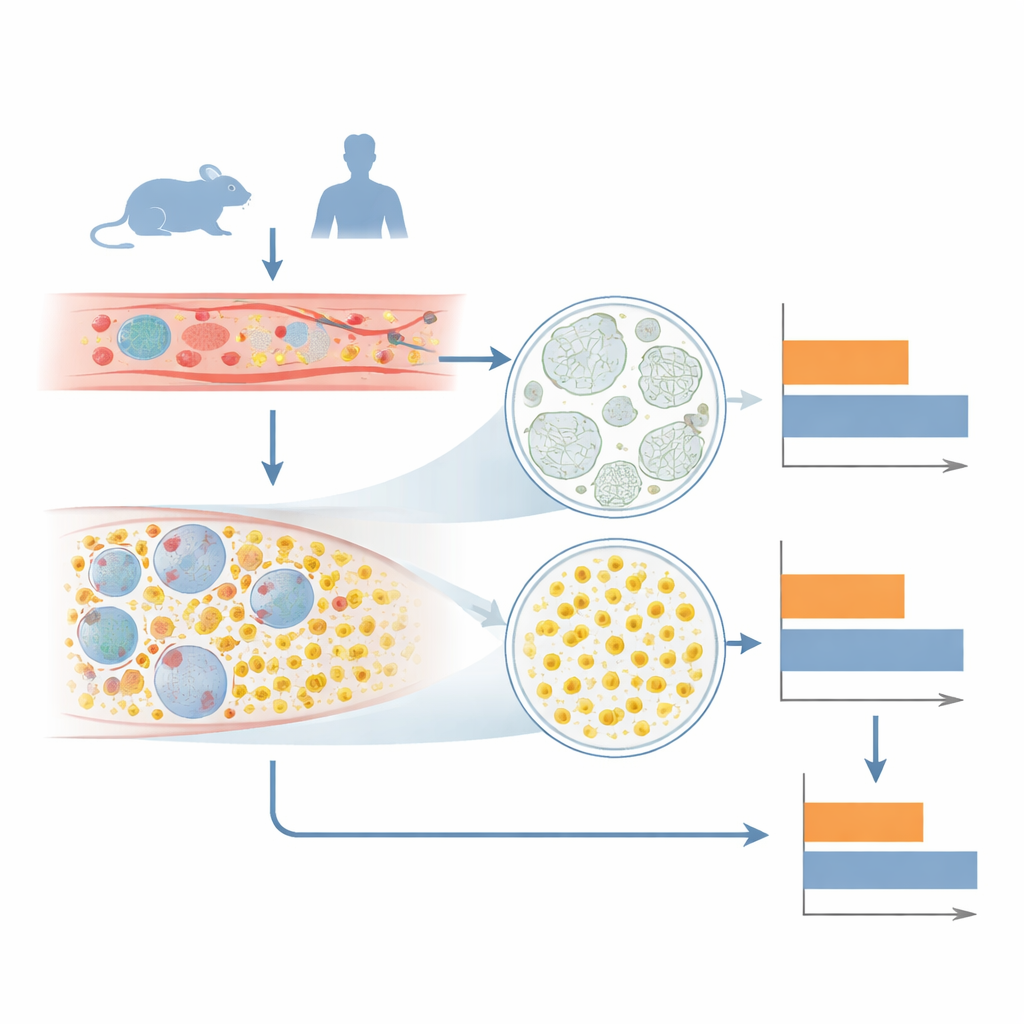
The researchers focused on two proteins that might be detectable in blood. The first is SHANK3 itself, measured in a type of white blood cell called peripheral blood mononuclear cells. The second is beta-synuclein, a protein found at nerve cell connections that can leak into the blood and may reflect how well synapses are functioning. The team first used mice that completely lack Shank3 to show that these markers can indeed be picked up in blood and that the tests clearly distinguish normal animals from those with the gene defect. They then collected blood samples from 23 people with Phelan-McDermid syndrome and a group of healthy volunteers for comparison.
Two blood signals that track the syndrome
In people with Phelan-McDermid syndrome, SHANK3 levels in white blood cells were on average about three-quarters lower than in controls, matching the idea that only one working copy of the gene remains. This reduction was consistent across different genetic subtypes that all affect SHANK3, and it was not explained by age, sex, or broad changes in immune cell makeup. Importantly, among individuals with the syndrome, those who had lost previously acquired skills (a phenomenon called developmental regression) tended to have especially low SHANK3 levels, suggesting a link to more severe clinical courses. At the same time, beta-synuclein in the liquid part of blood (plasma) was higher in the syndrome group than in controls. People who could not speak or used only single words had particularly high beta-synuclein, whereas those who spoke in sentences had lower levels, pointing to a connection with speech ability.
Testing treatment responsiveness in a mouse model
To see whether these markers could also respond to therapy, the team returned to the Shank3 mouse model. They treated the mice with a compound that boosts the activity of a brain receptor (mGlu5) previously shown to improve some Shank3-related problems in animals. After ten days of treatment, beta-synuclein levels in the blood of Shank3-deficient mice dropped toward normal, while treated healthy mice showed no meaningful change. This pattern suggests that beta-synuclein is not only altered by the genetic condition but can also shift in response to a targeted intervention, a key requirement for a useful treatment-monitoring biomarker.
What this could mean for future care
This pilot study indicates that a standard blood draw may yield two complementary indicators for Phelan-McDermid syndrome. Reduced SHANK3 in white blood cells mirrors the core genetic problem and appears to relate to whether a person has experienced developmental loss of skills, making it promising for tracking how closely a treatment engages its intended target. Elevated beta-synuclein in plasma reflects synapse-related stress and correlates with speech difficulties, and in mice it moves toward normal under a drug that modulates a related brain pathway. Together, these findings lay early groundwork for simple blood tests that might one day help doctors follow disease progression and objectively measure the impact of new therapies, especially as larger and younger patient groups are studied over time.
Citation: Pagano, J., Perez Arevalo, A., Nosanova, A. et al. SHANK3 and beta-synuclein are novel blood-based biomarkers for the Phelan-McDermid Syndrome: a pilot study. Transl Psychiatry 16, 201 (2026). https://doi.org/10.1038/s41398-026-03932-8
Keywords: Phelan-McDermid syndrome, SHANK3, beta-synuclein, blood biomarkers, autism spectrum disorder