Clear Sky Science · en
The role of LEAP2 on cognitive impulsivity after refeeding: evidence from a preclinical study in female mice and from patients with anorexia nervosa
Why this research matters
Anorexia nervosa is often seen as an illness of willpower and body image, but it also deeply reshapes how the brain responds to hunger and reward. Many patients regain weight in treatment, only to lose it again months later. This study asks a simple but important question: how does the body’s internal “hunger chemistry” after refeeding influence impulsive decisions about food, and could this help explain who stays well and who relapses?
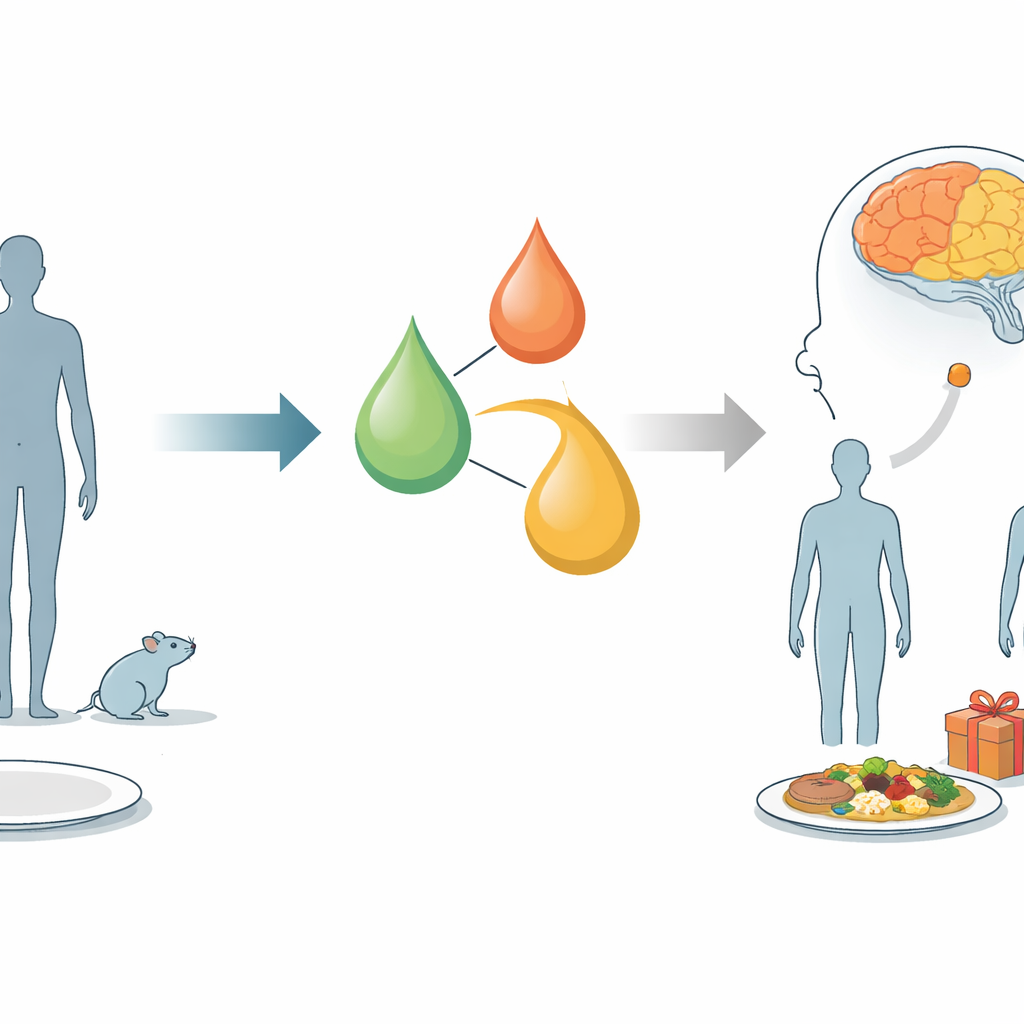
Hormones that talk to the brain
The researchers focused on two signals carried in the blood: ghrelin, often called a hunger hormone, and LEAP2, a newer molecule that counterbalances ghrelin’s effects. Rather than looking at each hormone alone, they examined their balance, captured by the ghrelin/LEAP2 ratio. This balance has been linked to how strongly the brain responds to rewards. Because people with anorexia nervosa tend to make unusually patient choices—preferring larger rewards later over smaller ones now—the team wondered whether shifts in this hormone pair during and after refeeding might alter that pattern of decision-making.
What was learned from patients
Thirty women hospitalized for anorexia nervosa were followed through a four‑month intensive refeeding program and then for six months after discharge. After weight restoration, blood samples were taken and questionnaires measured traits related to impulsivity. At first glance, the hormone balance did not explain differences in impulsive tendencies across the whole group. However, when the women were divided according to whether they maintained or lost weight after leaving the hospital, a pattern emerged. Among those who kept a stable, healthy weight, a higher ghrelin/LEAP2 ratio was linked to lower cognitive impulsivity—in other words, better impulse control. This relationship was absent in women whose weight gain proved unstable, hinting that a healthier reconnection between metabolism and self‑control may support lasting recovery.
What was learned from mice
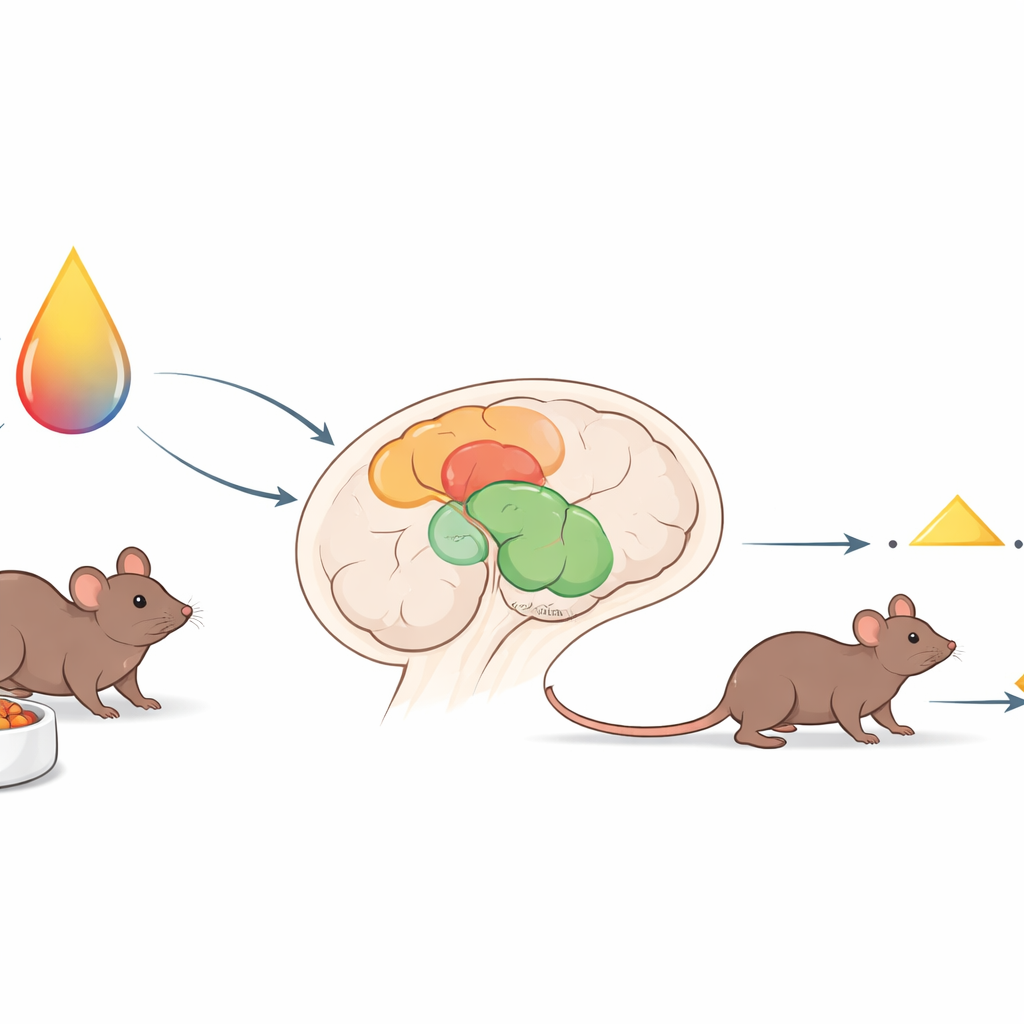
To probe cause and effect more closely, the scientists turned to a controlled mouse model. Young female mice were put through a behavioral test that measures willingness to wait for a larger reward versus grabbing a smaller one immediately. After a period of substantial food restriction, mice became more impulsive: they shifted toward choosing the quick, smaller reward, and showed more restless behavior while waiting. When another group of mice was refed to restore body weight and normalize classic brain markers of energy balance, their decision-making did not fully return to baseline. For long waiting times, impulsivity eased somewhat, but for short delays the refed mice were actually more inclined toward immediate rewards than before restriction.
A closer look at brain chemistry
Blood and brain samples from the mice helped clarify which signals might drive these lingering changes. Surprisingly, ghrelin itself did not track with impulsive choices after refeeding. Instead, higher LEAP2 levels in refed animals went hand in hand with stronger preference for immediate rewards, especially when the wait for the larger reward was longest. The team examined key brain regions involved in motivation and control, including the frontal cortex and deep reward centers, focusing on dopamine receptors that help shape choices. Although food restriction altered some of these receptors, their gene activity did not explain the LEAP2–impulsivity link, suggesting that LEAP2 may be acting through more subtle or short‑term changes in brain signaling.
What this could mean for recovery
Taken together, the human and animal data point to LEAP2 and its balance with ghrelin as part of a metabolic–brain loop that shapes how individuals make food‑related decisions after a period of starvation. In mice, cognitive impulsivity remained heightened even after weight and basic metabolic markers had normalized, and this was tied to LEAP2 rather than ghrelin. In patients, a more favorable ghrelin/LEAP2 balance was linked to steadier impulse control only in those who maintained their weight. For a layperson, the message is that successful recovery from anorexia nervosa is not just about restoring pounds on the scale; it also involves re‑aligning the body’s internal hunger signals with the brain’s ability to weigh short‑term urges against long‑term health. Hormones like LEAP2 may eventually help identify who is at higher risk of relapse and open the door to treatments that target both metabolism and mind.
Citation: Tezenas du Montcel, C., Hamelin, H., Lebrun, N. et al. The role of LEAP2 on cognitive impulsivity after refeeding: evidence from a preclinical study in female mice and from patients with anorexia nervosa. Transl Psychiatry 16, 146 (2026). https://doi.org/10.1038/s41398-026-03912-y
Keywords: anorexia nervosa, cognitive impulsivity, ghrelin, LEAP2, refeeding