Clear Sky Science · en
Selective estrogen receptor modifiers on the antidepressant-like effects of electroconvulsive seizures in adolescent rats
Why this research matters for teens and families
Depression during adolescence is rising worldwide, yet many young people do not respond well to standard therapies. Electroconvulsive therapy (ECT) is one of the fastest and most effective treatments for severe, treatment‑resistant depression in adults, but its use in teens remains limited and poorly understood. This study in rats asks a practical question with clear human relevance: can carefully chosen hormone‑related drugs make ECT‑like treatments work better for adolescents, especially when early‑life stress and sex hormones may blunt their benefits?
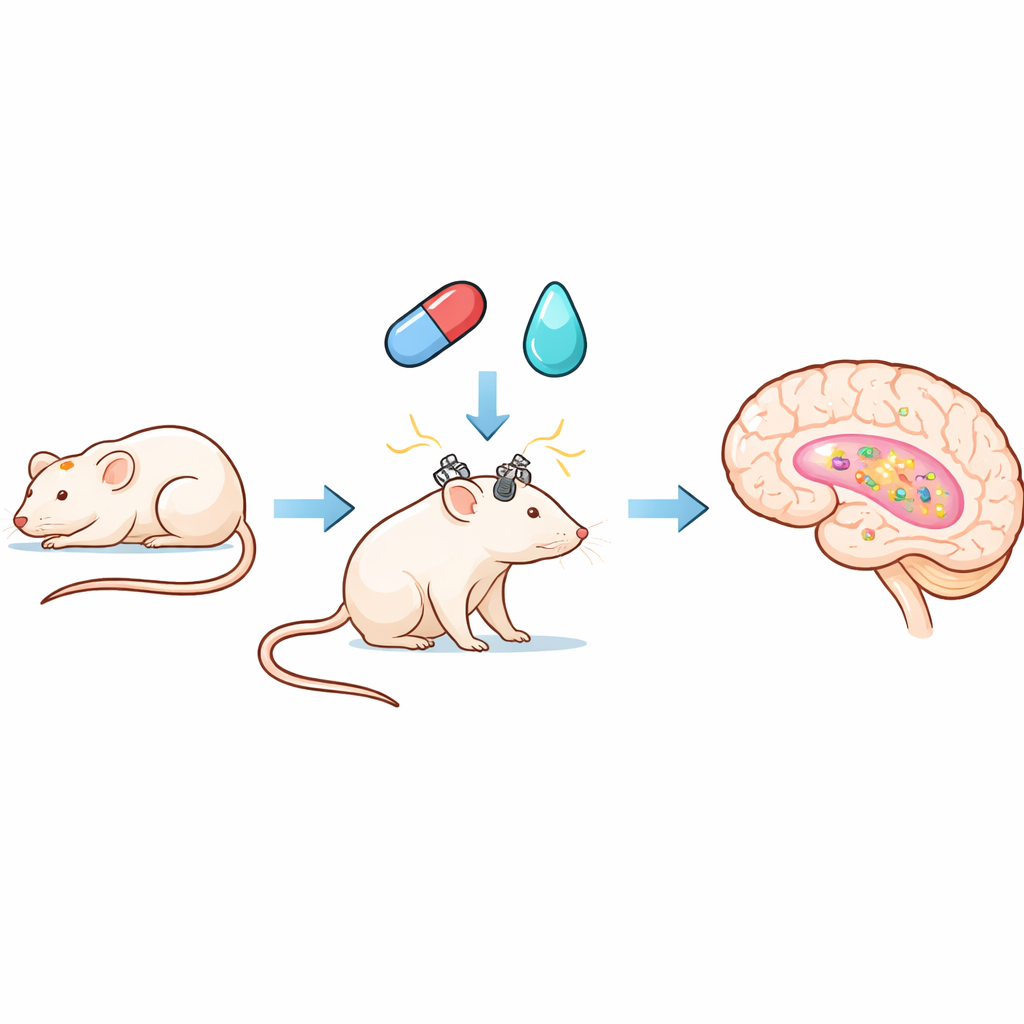
Stress early in life and brain changes later on
The researchers worked with adolescent rats that had experienced maternal separation shortly after birth, a well‑established model of early‑life stress that increases vulnerability to depression‑like behavior. As the animals reached adolescence, the team measured how they behaved in a forced‑swim test, a standard way to gauge passive, despair‑like behavior versus active escape efforts. They also focused on the hippocampus, a key brain region for mood and memory, tracking how many new cells were born, how many became young neurons, and how much of a growth‑supporting protein called BDNF was present. These measures offered a window into how treatments reshape brain plasticity, not just outward behavior.
Testing two hormone‑related helpers
Because sex hormones strongly influence depression and treatment response, the team studied two drugs that bind estrogen receptors: tamoxifen and clomiphene. Both can act as estrogen blockers or mimics depending on the tissue. Adolescent male and female rats received one of these drugs or a neutral solution, and some also received a short course of electroconvulsive seizures (ECS), the rodent equivalent of ECT. The scientists then followed the animals over days, recording changes in behavior in the forced‑swim test and examining hippocampal tissue for signs of new cell growth and neuronal maturation.
Different helpers, very different outcomes
On their own, neither tamoxifen nor clomiphene changed the rats’ behavior or brain plasticity. The story shifted when these drugs were paired with ECS. Rats given tamoxifen plus ECS showed a stronger antidepressant‑like response: they spent less time immobile and more time actively trying to escape in the forced‑swim test, with effects lasting several days after treatment. In their hippocampi, ECS combined with tamoxifen led to more dividing cells and more young neurons than ECS alone, suggesting a boosted regenerative response. In contrast, clomiphene did not enhance ECS’s behavioral effects and was linked to fewer new neurons and lower BDNF levels than seen with ECS plus the neutral solution, hinting at a dampening of the brain’s recovery processes.
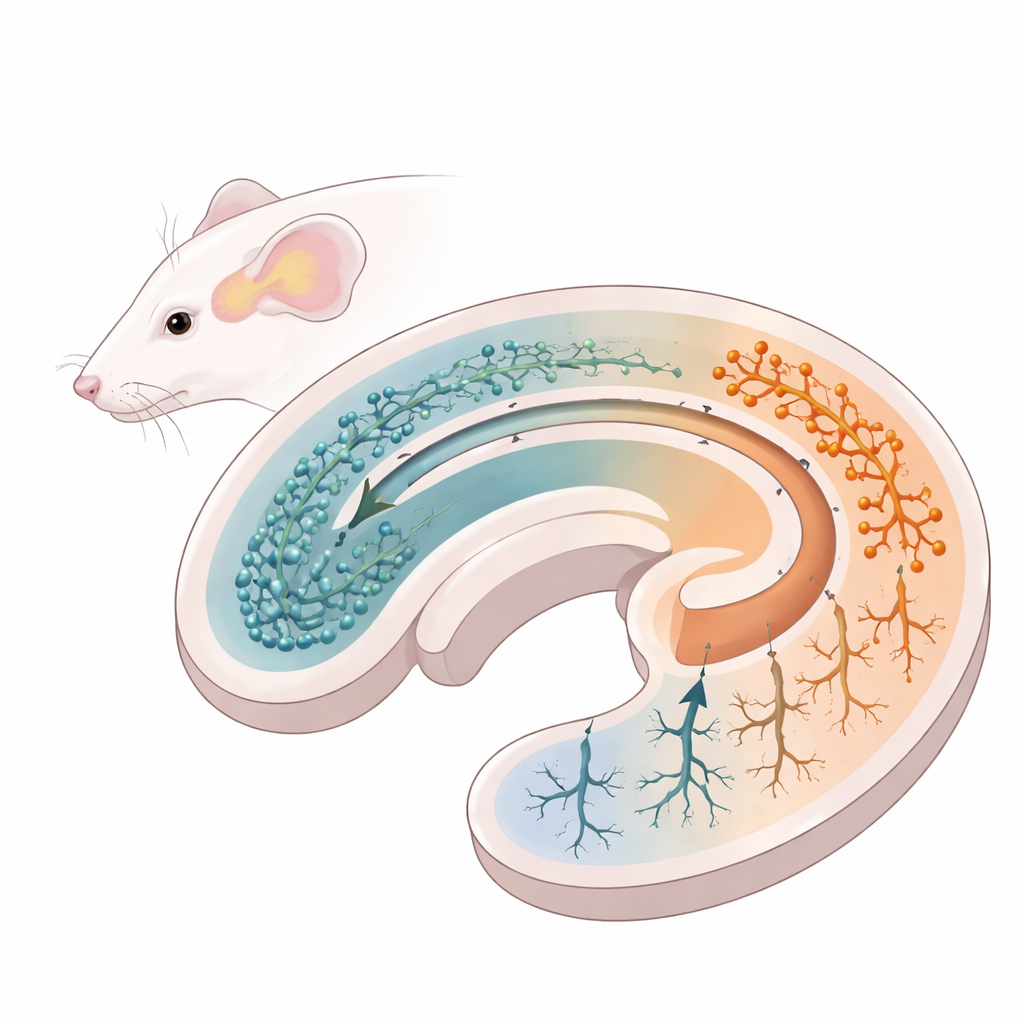
Clues from low‑estrogen conditions
The researchers also ran a pilot experiment in rats whose ovaries had been removed, creating an estrogen‑deficient state. In these animals, ECS produced clearer antidepressant‑like behavior and shorter seizure phases during treatment than in sham‑operated controls. Together with earlier work showing that blocking estrogen production with another drug (letrozole) improves ECS‑like responses in adolescent females, these findings suggest that lower estrogen signaling can actually make ECT‑like treatments more effective in this model. Tamoxifen, which acts as an estrogen blocker in the brain and crosses into brain tissue efficiently, appears to mimic this favorable low‑estrogen state when paired with ECS.
What this could mean for future treatments
For a general audience, the take‑home message is straightforward: in stressed adolescent rats, ECS‑like treatment works better when the brain’s estrogen signals are tuned down with tamoxifen, but not with clomiphene. Tamoxifen plus ECS led to more active, less despair‑like behavior and a stronger burst of new cell growth and young neurons in a mood‑related brain region, while clomiphene showed no such benefits and even blunted some brain‑plasticity markers. Although rat studies cannot be applied directly to patients, this work points to a promising strategy: carefully adjusting hormone‑related pathways might help clinicians get more reliable, faster benefits from ECT‑like treatments in adolescents at high risk of severe, treatment‑resistant depression.
Citation: Garau, C., Ledesma-Corvi, S., Jiménez-Marín, Y. et al. Selective estrogen receptor modifiers on the antidepressant-like effects of electroconvulsive seizures in adolescent rats. Transl Psychiatry 16, 142 (2026). https://doi.org/10.1038/s41398-026-03909-7
Keywords: adolescent depression, electroconvulsive therapy, estrogen receptors, tamoxifen, hippocampal neurogenesis