Clear Sky Science · en
ATP bioenergetics and fatigue in young adults with and without major depression
Why Low Energy Feels So Overwhelming
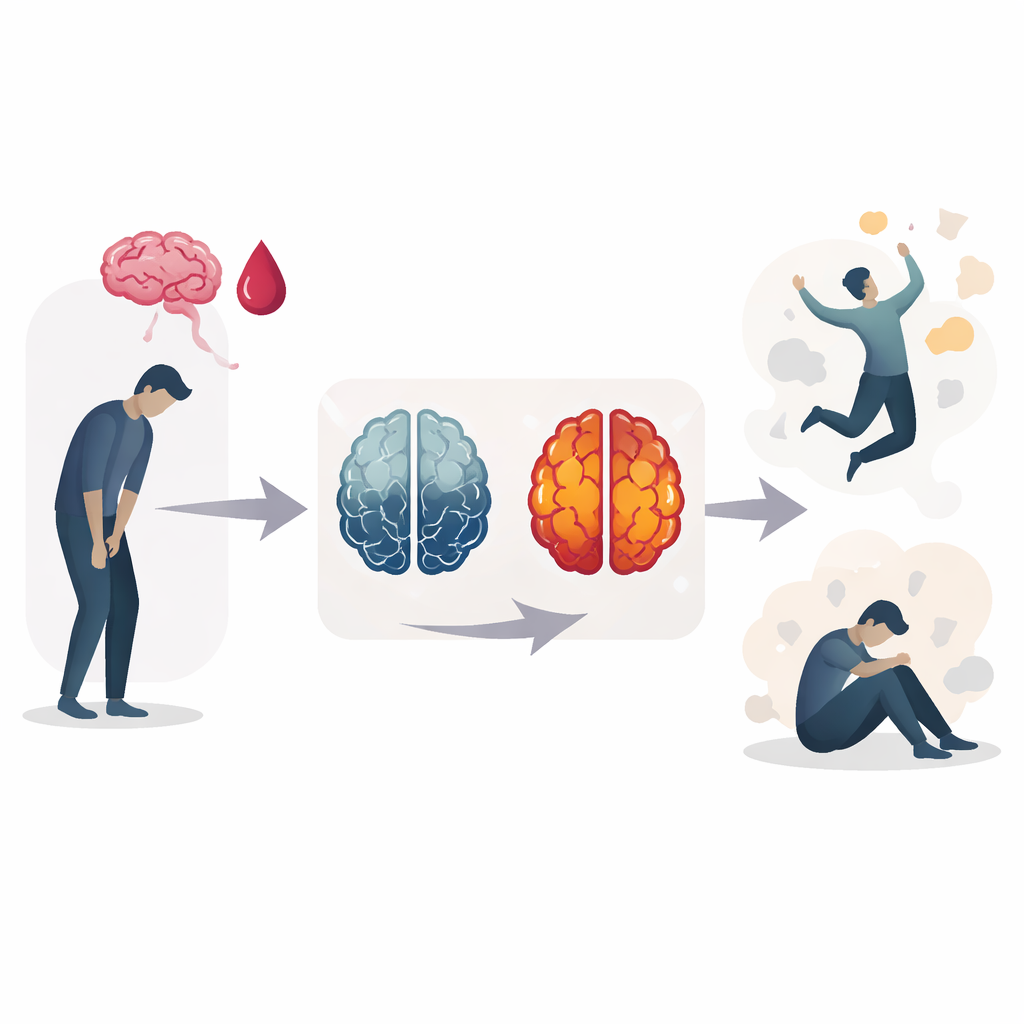
Feeling wiped out all the time is one of the most disabling parts of depression, especially for young adults trying to study, work, and maintain relationships. This study asks a simple but powerful question: does that deep exhaustion reflect a wiring problem in the body’s basic energy systems? By peering into the brain and blood of young people with and without major depression, the researchers looked for early clues that the machinery that makes cellular fuel might be working differently long before more serious health problems emerge.
Looking Inside the Brain’s Power Needs
The brain is an energy-hungry organ that runs on a molecule called ATP, produced mainly in tiny cell structures known as mitochondria. To see how ATP behaves in living human brains, the team used an ultra–high-field 7-Tesla MRI scanner combined with a specialized phosphorus imaging method. They focused on the visual cortex, a region at the back of the brain that gives a strong, reliable signal and has been increasingly linked to depression biology. Unlike older techniques that only measure how much ATP is present at a single moment, this newer method can also track how fast ATP is being made, giving a more dynamic picture of the brain’s energy economy.
Young Adults, Depression, and Tiredness
The study recruited young adults aged 18 to 24, some with major depressive disorder and some without any psychiatric history. All participants went through careful diagnostic interviews and filled out questionnaires rating their depression symptoms and fatigue levels. Not surprisingly, those with depression reported much more severe fatigue. During a brain scan visit, researchers collected both brain images and blood samples, allowing them to compare energy use in the central nervous system and in circulating immune cells taken from the same individuals.
What the Brain and Blood Revealed
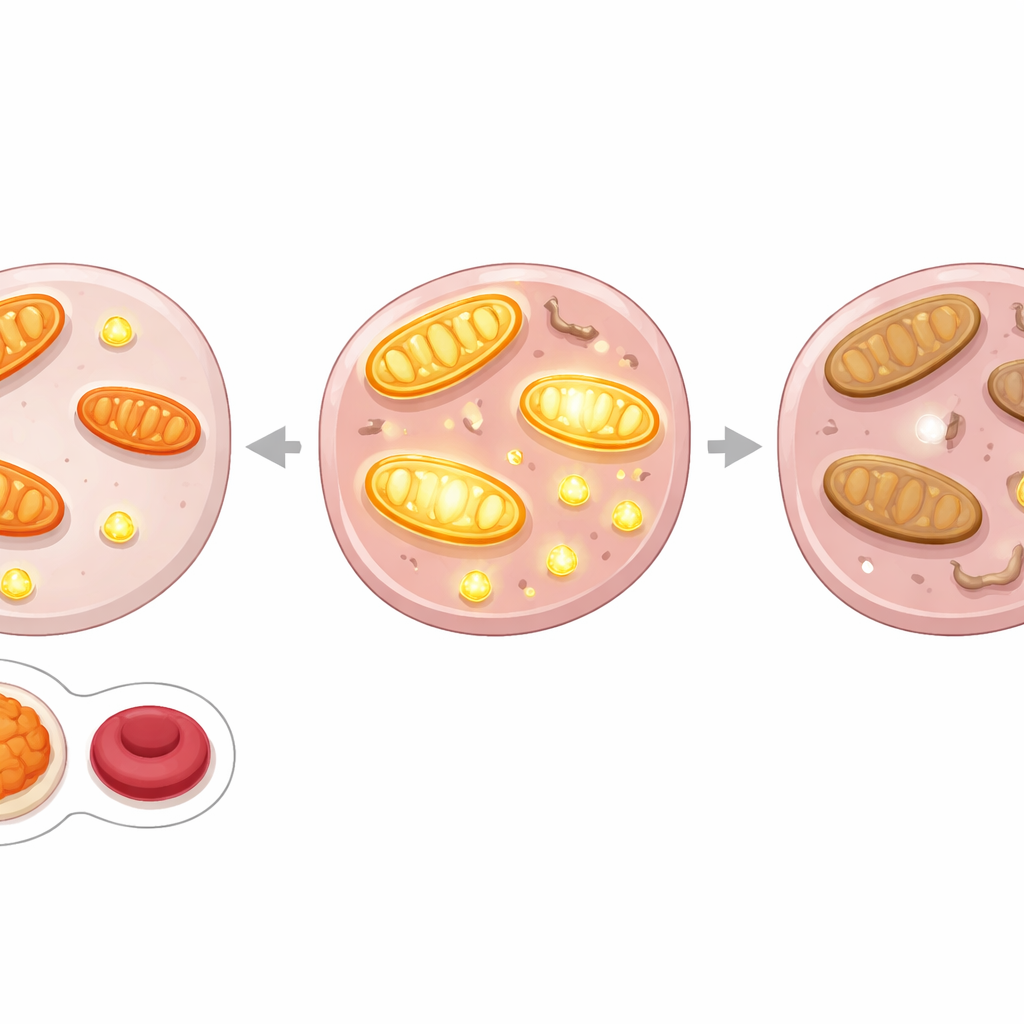
Contrary to the idea that depression simply reflects "low energy," the brains of young adults with depression actually showed higher ATP production rates in the visual cortex than those of healthy peers. This boosted activity in the brain’s energy machinery was tightly linked to how tired people felt: the stronger the ATP production signal, the worse their fatigue scores. In the blood, immune cells from depressed participants also contained more ATP at rest. Yet when these cells were pushed with chemicals that mimic energetic stress, they showed a reduced ability to ramp up ATP production compared with healthy controls, suggesting that their mitochondria had less reserve capacity when demands increased.
A Hidden Trade-Off in the Body’s Energy Strategy
Taken together, the brain and blood results point to a compensatory pattern: early in depression, cells seem to work harder at rest to keep ATP levels steady, but they struggle when extra energy is needed. This pattern appeared in both the brain and peripheral immune cells, and higher ATP measures in the blood tracked with higher ATP production in the visual cortex. The researchers propose that fatigue may actually be the body’s way of forcing a slowdown to protect vital brain and immune functions when the underlying energy machinery is strained, even if basic ATP levels are temporarily maintained.
What These Findings Could Mean for the Future
For a layperson living with depression, this research offers a new way to think about overwhelming tiredness: not as laziness or lack of willpower, but as a sign that cells are overworking just to keep up. The study suggests that, early in the course of major depression, energy systems in the brain and blood are pushed into a high-output but fragile state that cannot fully meet demands during stress. Over time, this may contribute to longer-term wear and tear and possibly raise the risk for other brain conditions. If confirmed in larger, longer studies, these energy signatures in blood cells and brain scans could help doctors track fatigue more objectively and open doors to treatments aimed at supporting healthier cellular energy use in young people with depression.
Citation: Cullen, K.R., Tye, S.J., Klimes-Dougan, B. et al. ATP bioenergetics and fatigue in young adults with and without major depression. Transl Psychiatry 16, 158 (2026). https://doi.org/10.1038/s41398-026-03904-y
Keywords: depression, fatigue, mitochondria, brain energy, ATP