Clear Sky Science · en
Alteration pattern of serum albumin levels in schizophrenia from first episode through remission to relapse: a longitudinal study
Why a Blood Protein Matters for Mental Health
Schizophrenia is usually described in terms of thoughts, feelings, and behavior, but this study asks a different question: what is happening in the blood during the ups and downs of the illness? The researchers focused on albumin, a common blood protein routinely checked in hospitals. By tracking albumin levels from a person’s first psychotic episode, through recovery, and into a later relapse, they explored whether this simple blood test could act as an objective gauge of how active the illness is—and perhaps even help flag when a relapse is coming.
Following Patients Over Time
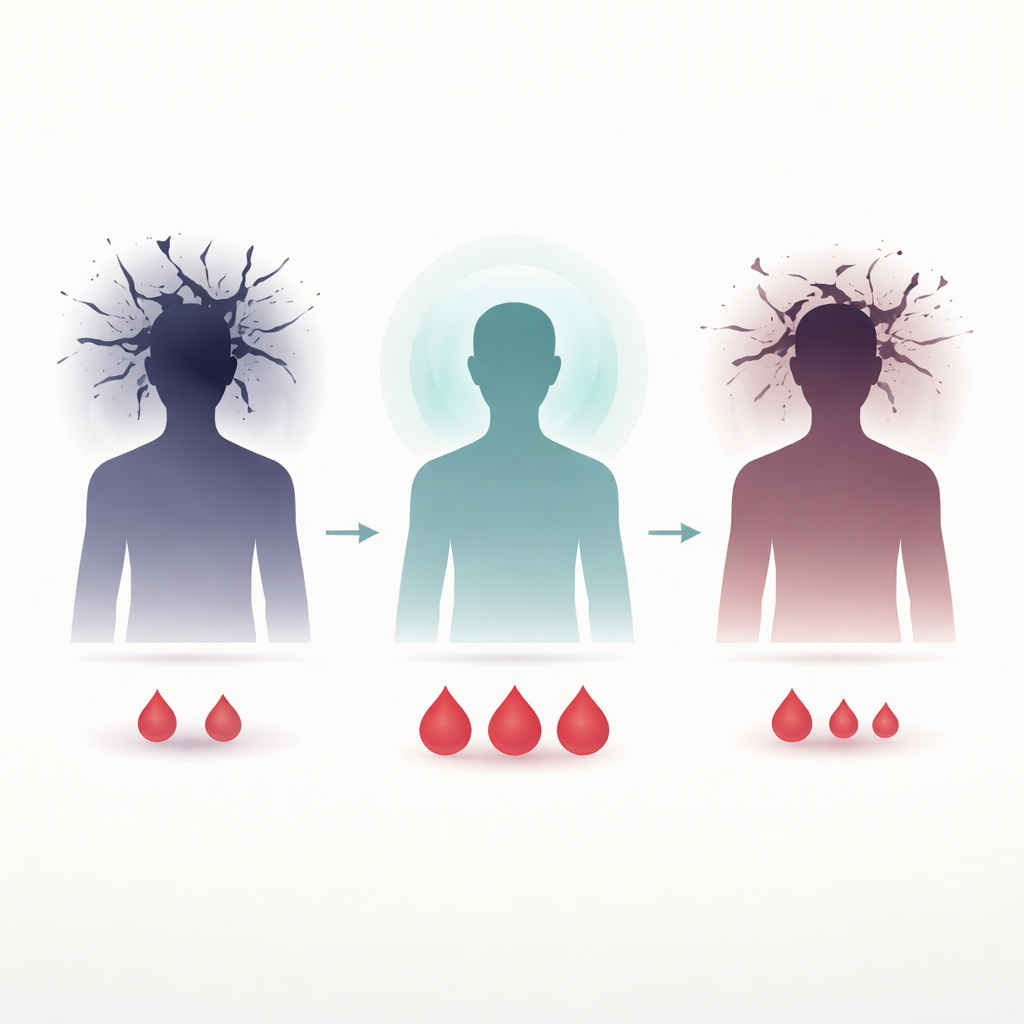
The study drew on real-world medical records from 148 people treated for a first episode of schizophrenia at a large psychiatric hospital in China. All were admitted for their first severe episode, treated until they reached clinical remission, followed as outpatients, and then re-admitted when they later relapsed. At each of these stages—first episode, remission, and relapse—doctors had measured albumin levels as part of routine lab work. For comparison, each patient was matched with a person from the general population of the same age, sex, ethnic background, and home district, who had no history of psychotic illness and normal liver and kidney function.
What the Blood Tests Revealed
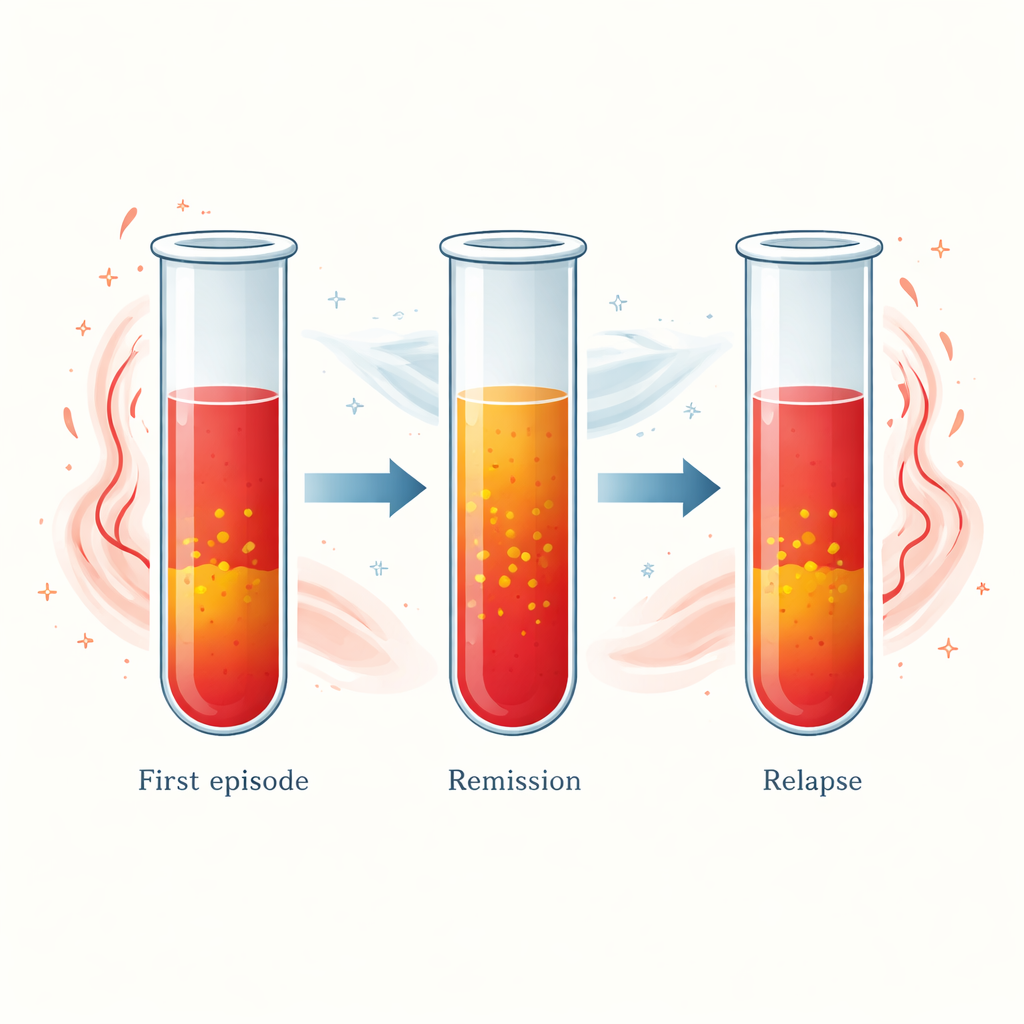
Albumin is known to fall in many acute medical conditions marked by intense stress or inflammation. The researchers found a similar pattern here: during both the first psychotic episode and later relapse, people with schizophrenia had clearly lower albumin levels than their matched healthy counterparts. In contrast, when those same patients were in remission—living in the community on maintenance medication—their albumin levels rose to essentially match those of the control group. This “dip during crisis, rise during recovery” pattern held true for both men and women, and remained even after adjusting for age and how long the person had been ill.
Ruling Out Other Explanations
Could the lower albumin simply reflect poor nutrition or side effects of antipsychotic drugs? The team examined several possibilities. Patients and controls had similar body mass index, and statistical tests found no meaningful link between albumin and body size, which argues against malnutrition as the main driver. At hospital admission, albumin levels did not differ between patients who were drug-free and those already taking psychiatric medication. During inpatient treatment, albumin fell slightly further over the next weeks regardless of whether people were on one drug or a combination, and these modest medication-related shifts appeared reversible: by the time patients reached remission, their albumin levels had normalized while they were still taking maintenance drugs. Taken together, these findings point toward the intensity of the illness and the body’s stress and immune responses—rather than long-term drug exposure—as the key influences on albumin.
Turning Albumin into a Practical Signal
To test whether albumin could help doctors distinguish between acute episodes and remission, the researchers built several simple statistical models using albumin measurements from different clinic visits. The most powerful model relied not only on the current albumin level but also on how it had changed since the previous acute episode and the previous remission. This dynamic “before versus now” approach correctly separated acute and remitted states with high accuracy, as reflected by a strong performance measure known as the area under the ROC curve. Because albumin testing is cheap, widely available, and stable in most people, such models could in principle be integrated into routine care to provide an objective readout of illness state alongside clinical interviews.
What This Means for People Living with Schizophrenia
The study shows that albumin behaves like a “reverse thermometer” of illness activity in schizophrenia: it drops during intense episodes and returns to normal when symptoms are under control. While this protein does not explain the cause of the illness, its predictable swings suggest it could serve as a practical biomarker of mental stress and disease activity. In the future, regularly tracking albumin over time might help clinicians spot early warning signs of relapse, tailor treatment more precisely, and better understand how the body’s stress and immune systems are involved in serious mental disorders.
Citation: Zhao, Y., Luo, H., Gao, S. et al. Alteration pattern of serum albumin levels in schizophrenia from first episode through remission to relapse: a longitudinal study. Transl Psychiatry 16, 167 (2026). https://doi.org/10.1038/s41398-026-03885-y
Keywords: schizophrenia, serum albumin, biomarkers, relapse prediction, mental health inflammation