Clear Sky Science · en
Brexanolone infusion produces sustained anti-inflammatory and neurotrophic effects in patients with postpartum depression that predict symptom improvement
Why This Matters for New Mothers
Many new mothers expect the weeks after birth to be joyful, but for about one in seven, serious depression takes hold instead. This study looked at how an intensive, one-time treatment called brexanolone might bring longer-lasting relief by calming the body’s immune system and supporting brain health. Though the drug has since been taken off the market, understanding how it worked may guide safer, more convenient treatments for postpartum depression in the future. 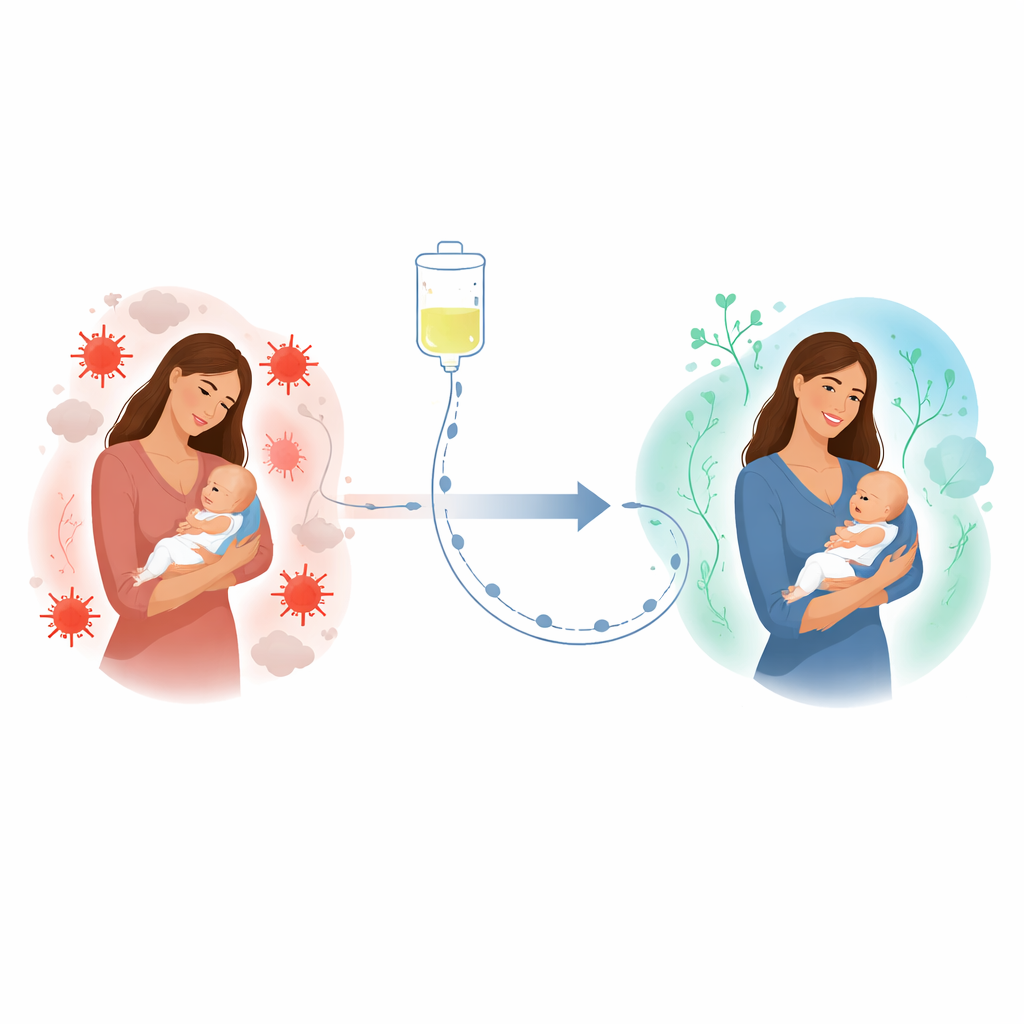
Post-Baby Blues Versus a Medical Illness
Postpartum depression is much more than feeling overwhelmed or weepy. It is a major depressive episode that begins late in pregnancy or soon after delivery and can disrupt bonding, sleep, and daily functioning. Traditional antidepressants can take weeks to work and do not always help. Brexanolone, an intravenous form of a natural brain steroid, was the first medicine specifically approved for postpartum depression. It is given over 60 hours in the hospital and can ease symptoms within days. Yet doctors have not fully understood why its effects can last for weeks even though the drug itself disappears from the body within hours.
The Study: Looking Inside the Blood
In this pilot study, ten women with moderate to severe postpartum depression received brexanolone as part of a hospital-based treatment program. Researchers drew blood just before the infusion, six hours after it started, and again roughly seven and thirty days later. They measured fourteen signaling molecules in the blood that reflect the body’s immune activity and its ability to nurture brain cells. At each visit, they also rated depression symptoms with a standard scale. In a second set of tests, they exposed the women’s blood cells to a bacterial component in the lab—essentially a controlled “immune challenge”—to see how reactive those cells remained after treatment.
Dialing Down Fire, Turning Up Repair
Brexanolone quickly reduced several pro-inflammatory signals in the blood, including IL-6, TNF-alpha, IL-18, and CCL11, substances that have been linked to low mood, stress sensitivity, and poorer thinking skills. Some of these drops were brief, but others stayed low for a month, suggesting a lingering calming effect on the immune system. At the same time, levels of brain-derived neurotrophic factor, a protein that supports the growth and flexibility of brain connections, rose sharply within six hours and remained high at seven and thirty days. Women whose inflammatory markers stayed lower and whose growth-supporting signals stayed higher generally showed the largest and most stable improvements in depression scores.
Training the Immune System to React Differently
When the researchers challenged the blood cells with a bacterial trigger in the lab, they saw that brexanolone had changed not only the baseline levels of signaling molecules, but also how strongly the cells reacted to stress. After treatment, the blood produced less of a whole panel of inflammatory substances in response to the challenge, and this muted reaction persisted for days to weeks depending on the molecule. Again, those women whose cells remained less reactive tended to have better mood scores. These findings suggest that brexanolone may “retrain” parts of the immune system to respond in a calmer, more balanced way rather than simply switching inflammation off for a few hours. 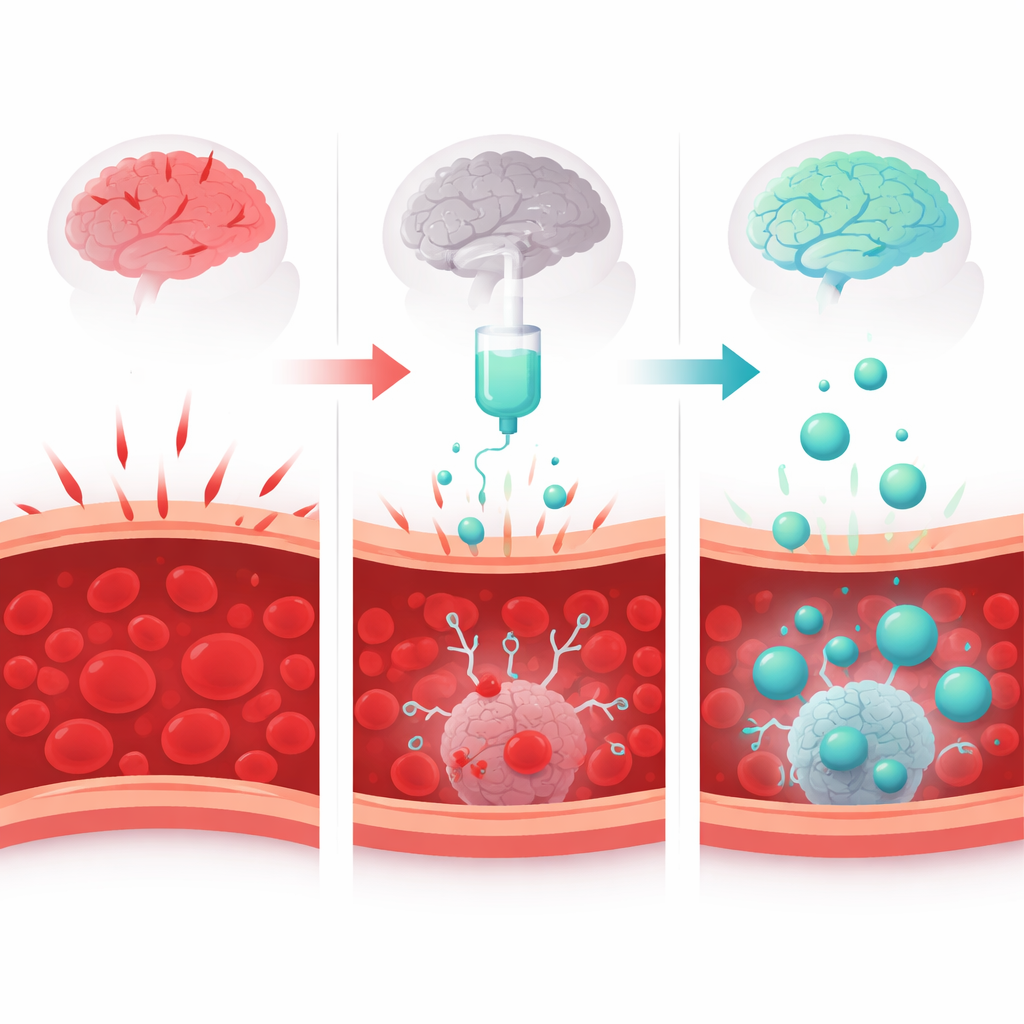
What This Could Mean for Future Treatments
Overall, the study supports the idea that postpartum depression is tied to both runaway immune activity and a shortage of brain-nourishing support—and that powerful symptom relief can come from addressing both at once. Brexanolone appears to quiet harmful inflammatory signals while boosting factors that help the brain recover, in ways that outlast the drug’s presence in the bloodstream. Although the study was small and brexanolone itself is no longer widely available, the pattern of changes it produced—lower inflammatory markers and higher brain-support proteins—may help scientists design new, easier-to-use medicines that offer rapid and lasting relief to mothers struggling with postpartum depression.
Citation: Balan, I., Pearson, C.I.S., Krohn, H. et al. Brexanolone infusion produces sustained anti-inflammatory and neurotrophic effects in patients with postpartum depression that predict symptom improvement. Transl Psychiatry 16, 119 (2026). https://doi.org/10.1038/s41398-026-03834-9
Keywords: postpartum depression, brexanolone, neuroinflammation, brain-derived neurotrophic factor, neurosteroids