Clear Sky Science · en
A potential association of SLC2A9 variant rs7442295 with uric acid at baseline and in interaction with iloperidone
Why this matters for everyday health
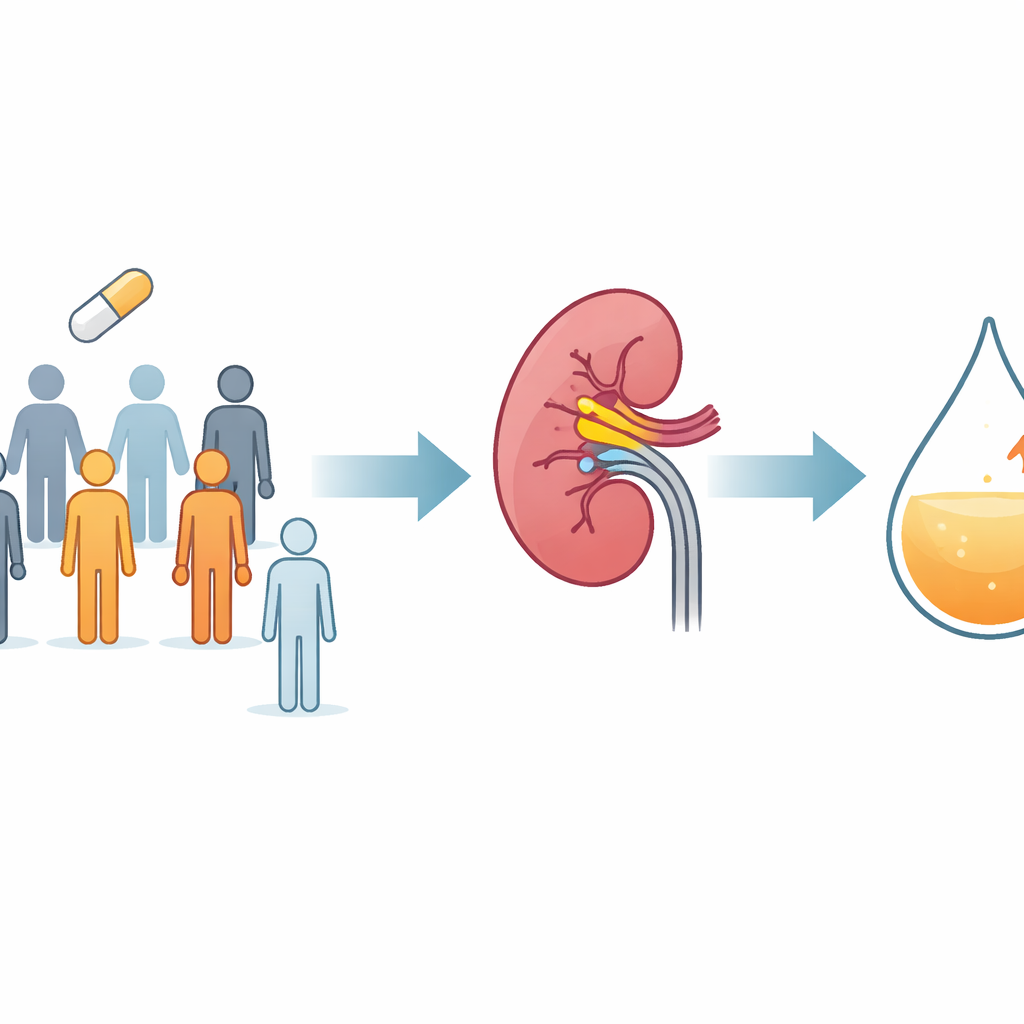
Many people take antipsychotic medications for serious mental health conditions like schizophrenia and bipolar disorder. At the same time, millions also struggle with high uric acid levels, which can lead to gout and may be linked to heart and kidney problems. This study asks a very practical question: can a person’s genes, combined with a commonly used antipsychotic drug called iloperidone, quietly push uric acid into a risky range—and does this happen more often in some people than others?
A closer look at uric acid in the body
Uric acid is a natural waste product formed when our bodies break down substances called purines, found in our own cells and in many foods. Normally, the kidneys filter uric acid from the blood and send most of it out in urine, keeping blood levels in a healthy range. When this balance is disturbed, uric acid can build up, raising the risk of painful gout attacks and contributing to kidney and cardiovascular disease. Doctors already know that diet, other medications, and inherited differences in kidney transport proteins all influence how much uric acid lingers in the bloodstream.
How the drug and a gene variant come together
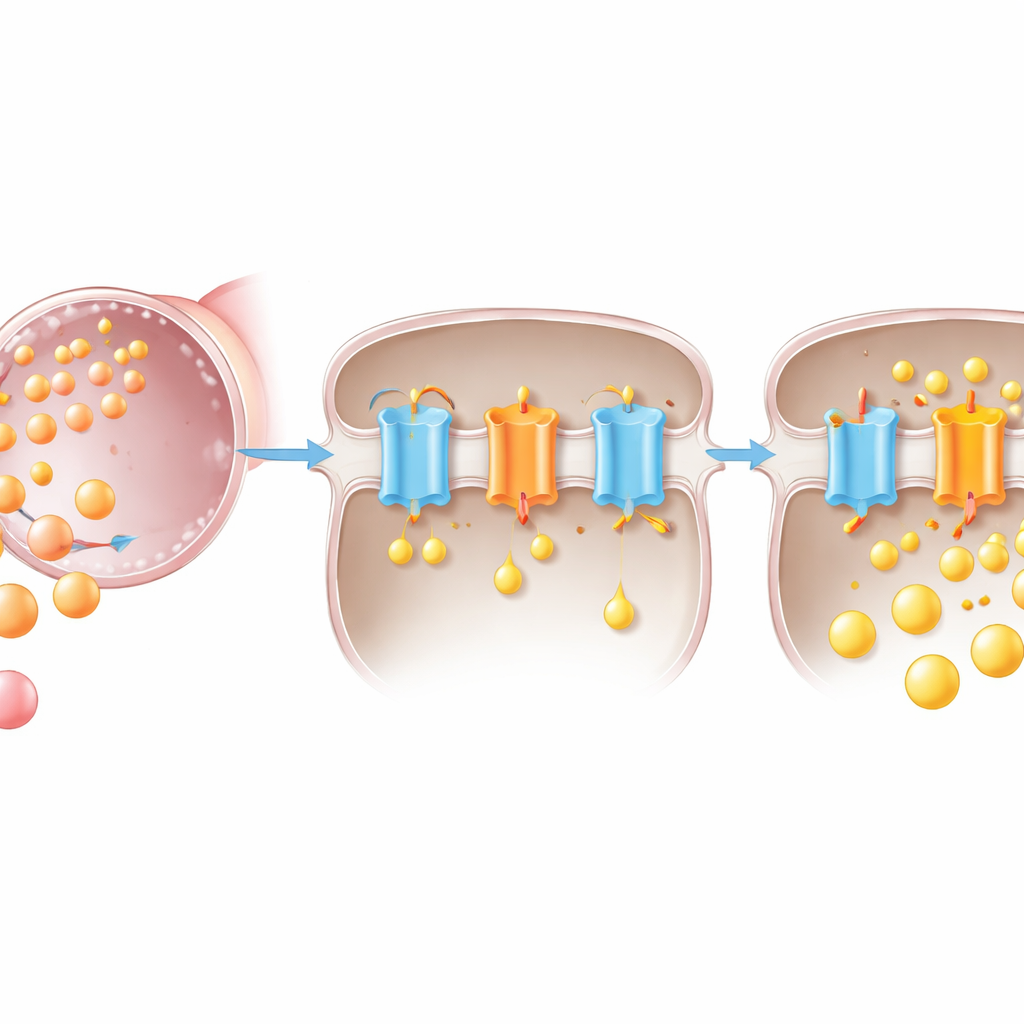
The researchers focused on a kidney transporter protein called GLUT9, made by the gene SLC2A9, which helps move uric acid in and out of kidney cells. They examined blood samples from two large, four-week, placebo-controlled clinical trials of iloperidone in patients with schizophrenia and bipolar mania. In both studies, people receiving iloperidone had clear, statistically significant increases in blood uric acid compared with those on placebo, and in one study also compared with another antipsychotic. These changes appeared within about two weeks and continued to the end of the four-week treatment.
The role of inherited differences
To understand why some patients had larger changes than others, the team analyzed their DNA. They looked closely at a common genetic variant in SLC2A9, called rs7442295, which subtly alters how the GLUT9 transporter behaves. Patients were grouped by genotype—those with two G copies (GG), one G and one A (AG), or two A copies (AA). Even before treatment, this variant was linked to differences in baseline uric acid levels, matching patterns seen in earlier population studies. When iloperidone was added, the effect became more striking: patients with the GG genotype on iloperidone showed much larger rises in uric acid than GG patients on placebo, while the increases were more modest in the other genotype groups.
Why sex makes a difference
The interaction did not stop at genetics. The researchers also looked at men and women separately, since men naturally tend to have higher uric acid levels. Among men carrying the GG genotype, iloperidone treatment was associated with especially large increases in uric acid, sometimes pushing levels above the usual upper limit of normal. In contrast, men with the same genotype on placebo often saw stable or even lower uric acid levels over the same time frame. Women and people with other genotypes showed smaller changes, suggesting a three-way interplay between sex, genetics, and drug exposure.
What this could mean for patients and doctors
From a layperson’s perspective, the takeaway is that the same dose of the same antipsychotic can have very different effects on uric acid depending on your genes and sex. The study suggests that, for a small but significant subset of patients—particularly men who carry specific SLC2A9 variants—iloperidone may raise uric acid enough to matter clinically, especially if they already have gout or other related conditions. Because commercial genetic tests for this variant exist, doctors could, in principle, identify higher-risk patients in advance and monitor uric acid more closely or adjust gout treatments. Although more work is needed to fully understand the molecular details and long-term impact, this research highlights how precision medicine can help tailor psychiatric treatment while keeping an eye on metabolic side effects.
Citation: Smieszek, S.P., Chadwick, S.R., Czeisler, E.L. et al. A potential association of SLC2A9 variant rs7442295 with uric acid at baseline and in interaction with iloperidone. Pharmacogenomics J 26, 10 (2026). https://doi.org/10.1038/s41397-026-00402-8
Keywords: iloperidone, uric acid, gout risk, pharmacogenetics, SLC2A9