Clear Sky Science · en
Psychometric properties of the Swedish versions of Spinal Cord Independence Measure IV (SCIM IV) and Self-report (SCIM-SR) in inpatient and outpatient rehabilitation settings
Why this research matters for everyday life
Life after a spinal cord injury is often judged by one crucial question: how independently can a person manage daily activities at home, at work, and in the community? To answer this fairly, health professionals need tools that measure independence accurately and consistently. This study tested Swedish versions of two such tools, making it possible to follow people with spinal cord injury across the country in a unified way and to see whether rehabilitation is truly helping them regain control over their everyday lives.
Measuring everyday abilities after spinal cord injury
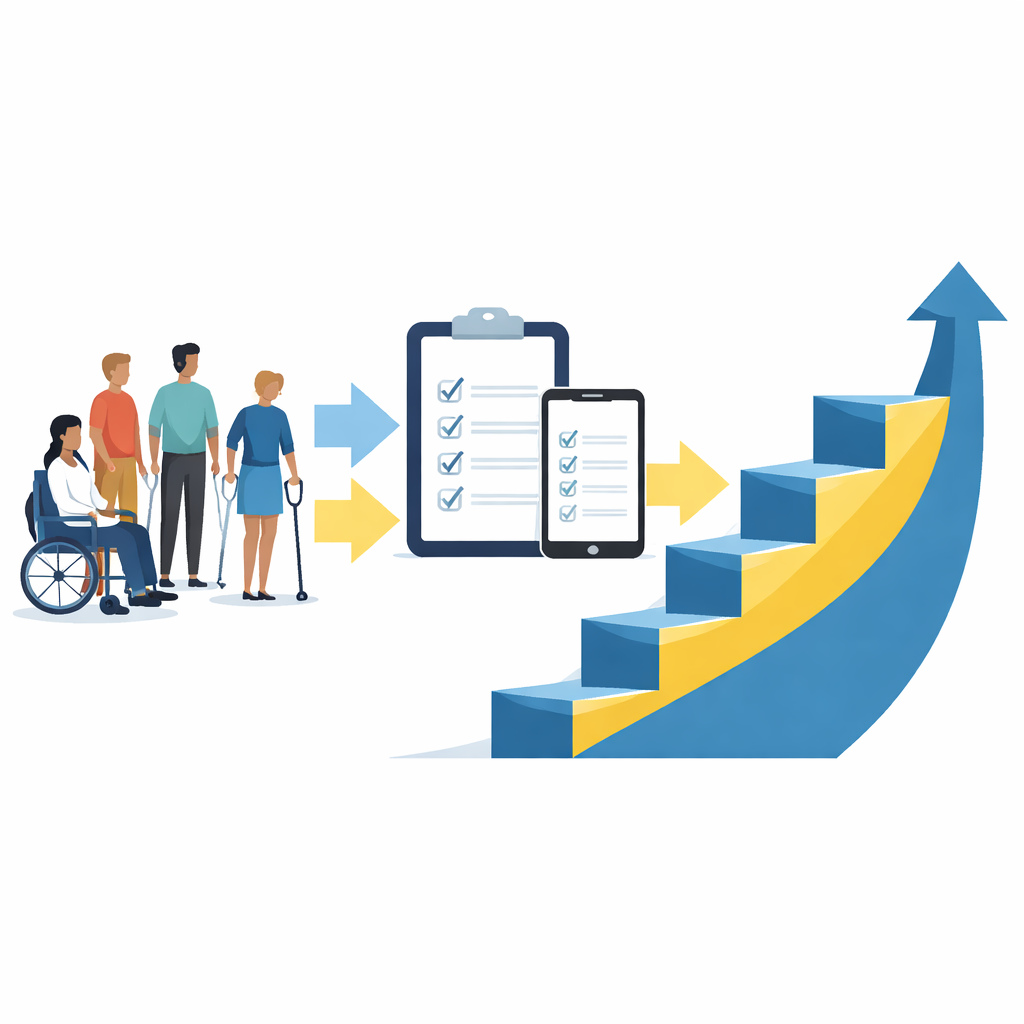
For many years, specialists around the world have used a scale called the Spinal Cord Independence Measure (SCIM) to rate how well people with spinal cord injury manage self-care, bladder and bowel routines, breathing-related tasks, and mobility. The latest version, SCIM IV, fine-tunes earlier editions to better capture real-life situations and small but important changes in function. There is also a self-report form, where people rate their own abilities instead of being observed by a clinician. Until now, Sweden lacked fully tested Swedish-language versions of these tools, limiting both clinical use and participation in international research.
Bringing the tools into Swedish healthcare
The research team carefully translated the clinician-administered SCIM IV and the self-report form into Swedish and adapted a few phrases to match Swedish culture and rehabilitation routines. For example, some wording was updated to reflect common Swedish mobility aids and everyday expressions used in clinics. An expert group of clinicians, researchers, and people living with spinal cord injury reviewed the translations, discussed unclear items, and consulted the original tool developers when needed. They also created a workshop and instructional video to train staff in using the clinician-administered version so that scoring would be as consistent as possible across hospitals.
Testing with people in real rehabilitation settings
The Swedish versions were then tried out in 101 adults with spinal cord injury recruited from ten clinics across Sweden. Participants represented different ages, causes and severities of injury, and stages of rehabilitation—from early inpatient care to long-term follow-up visits. Clinicians rated participants using the Swedish SCIM IV, mostly by direct observation, while participants also filled in the Swedish self-report version on paper. The researchers looked at how completely people answered the questions, how the scores were spread out from low to high, and whether many people ended up at the very bottom or top of the scale, which would signal that the tool cannot distinguish different levels of independence.
What the numbers revealed about the tools
The findings were encouraging. All items of the clinician-administered Swedish SCIM IV were filled in, and most people completed every item of the self-report form. Scores covered the full range from very low to very high independence, with no signs that many people were clustered at the lowest or highest possible scores. This suggests the scales are sensitive enough to capture both severe limitations and near-complete independence. Statistical checks showed that most groups of questions worked well together, reflecting a single underlying concept of physical independence. One group of items, related to breathing and to bladder and bowel routines, showed somewhat weaker internal fit—a pattern also found in international studies, likely because these questions mix several distinct body functions within one section. Even so, the overall reliability of both Swedish tools was high.
Seeing the same picture from different angles
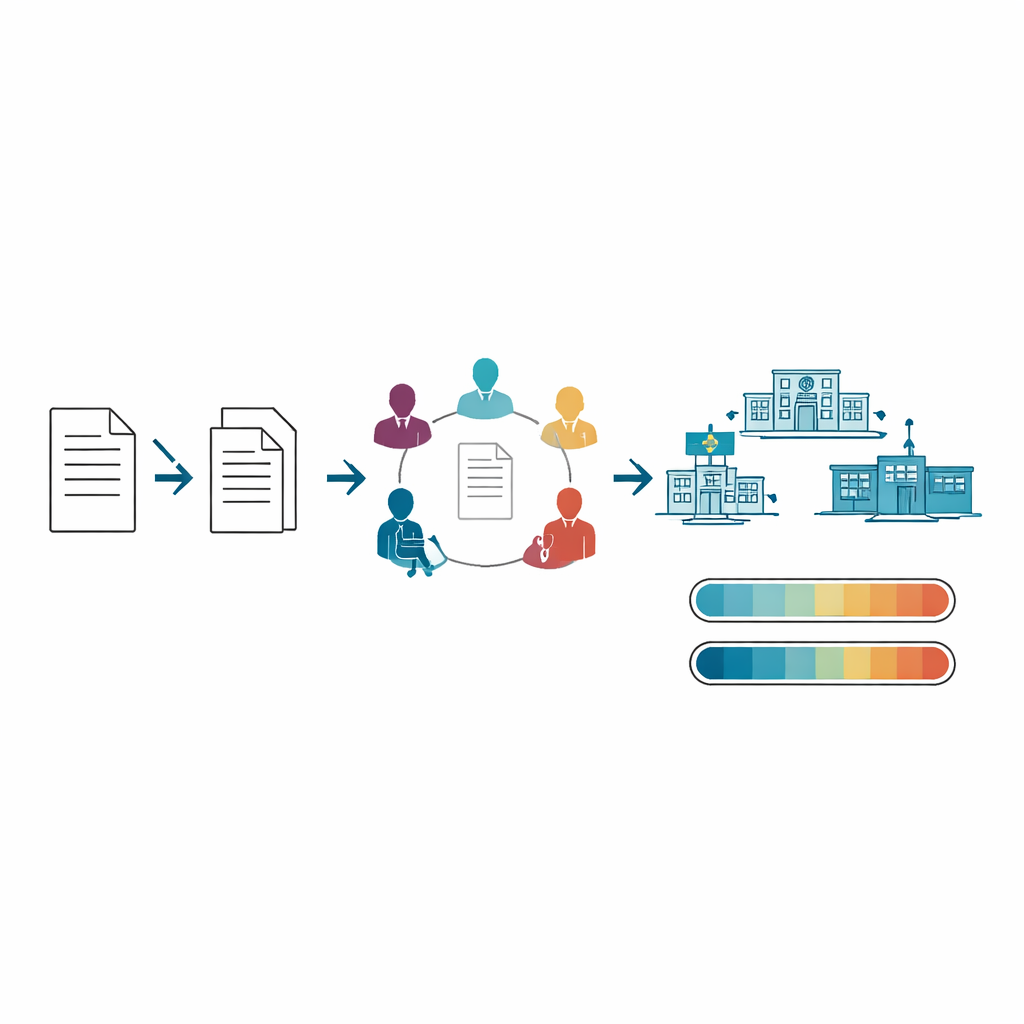
To test whether the Swedish tools agreed with each other and with an established general scale of independence used in rehabilitation, the team compared the scores. People who scored high on the clinician-administered Swedish SCIM IV also tended to score high on the Swedish self-report version and on the generic Functional Independence Measure, and the same held true for low scores. These strong correlations mean that the tools are capturing the same broad picture of how independently people function in everyday life, even though they approach it in slightly different ways.
What this means for people living with spinal cord injury
In plain terms, the study shows that the new Swedish versions of these independence scales work well: they can be understood, filled in, and scored reliably, and they give a believable picture of how people manage day-to-day activities after spinal cord injury. Clinicians can now use the clinician-administered scale during hospital and outpatient rehabilitation, while people themselves can report their abilities using the self-report version, whether they are at home or returning for follow-up. Together, these tools will help Swedish rehabilitation teams track progress more fairly, compare results across regions and countries, and design better services that support people with spinal cord injury in building as independent and fulfilling a life as possible.
Citation: Antepohl, U., Butler Forslund, E., Flank, P. et al. Psychometric properties of the Swedish versions of Spinal Cord Independence Measure IV (SCIM IV) and Self-report (SCIM-SR) in inpatient and outpatient rehabilitation settings. Spinal Cord 64, 241–249 (2026). https://doi.org/10.1038/s41393-026-01168-3
Keywords: spinal cord injury, rehabilitation outcomes, functional independence, patient-reported measures, Swedish translation