Clear Sky Science · en
Heterogeneous effect of saxagliptin on glucose fluctuation and β-cell function in T1DM: a multicentre, randomised trial
Why this study matters for people with type 1 diabetes
For people living with type 1 diabetes, managing blood sugar is a daily balancing act that still relies almost entirely on insulin. Many wonder whether adding modern diabetes pills, originally designed for type 2 diabetes, could smooth out blood sugar swings or help preserve the body’s remaining insulin-producing cells. This study tested one such pill, saxagliptin, to see whether it could reduce dangerous ups and downs in blood sugar and protect the fragile cells in the pancreas that still make insulin.
What the researchers set out to test
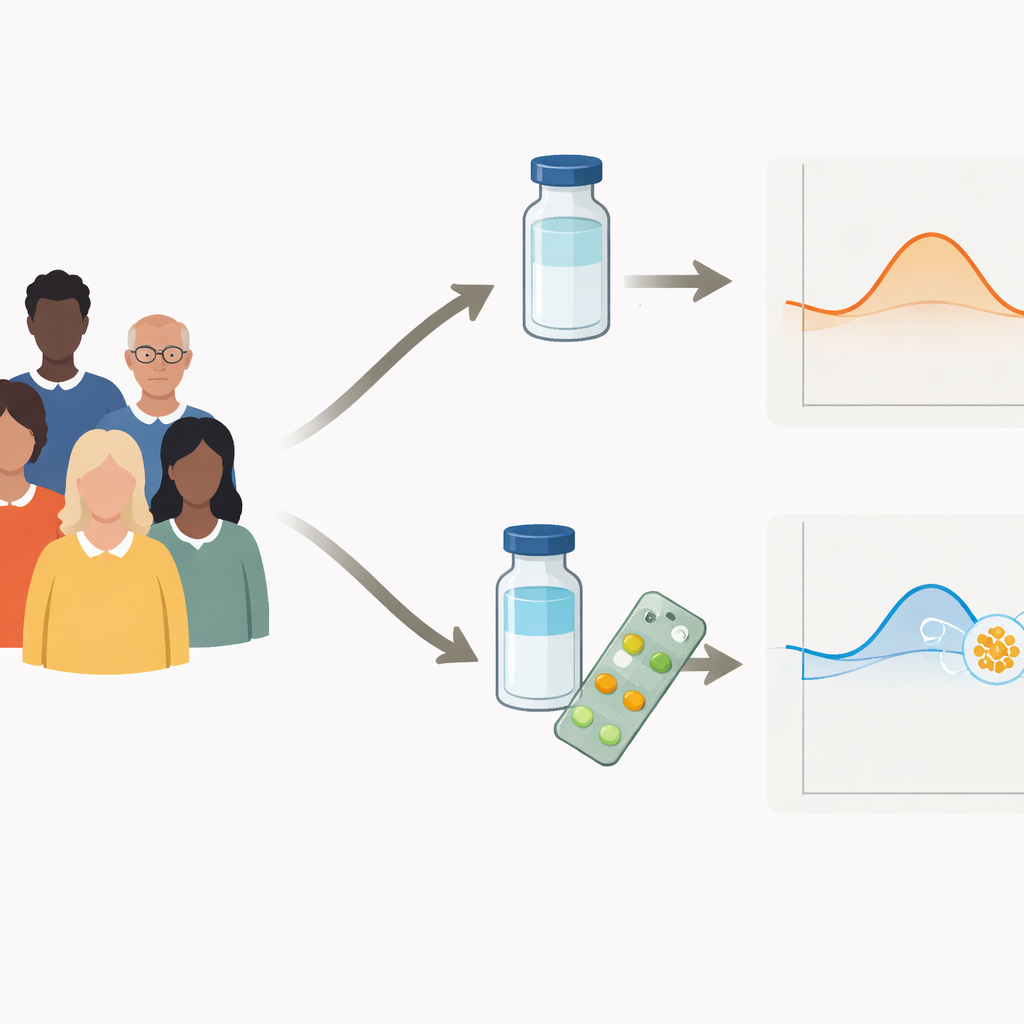
The investigators conducted a multicenter clinical trial in China involving 184 people with type 1 diabetes, aged 12 to 65, all already using insulin. Participants were randomly assigned to continue insulin alone or to take a daily saxagliptin pill in addition to insulin for 24 weeks. Saxagliptin belongs to a class of drugs called DPP-4 inhibitors, which boost the body’s own gut hormones that normally help the pancreas release insulin and rein in glucagon, a hormone that raises blood sugar. The main questions were whether saxagliptin could reduce day-to-day blood sugar swings and whether it could help preserve the body’s remaining insulin-making capacity.
How the trial was carried out
To capture real-life blood sugar patterns, the team used continuous glucose monitoring, which tracks glucose around the clock for several days, both at the start of the study and after 24 weeks. From these data they calculated a measure of how sharply and how often glucose levels rose and fell. They also measured long-term glucose control using HbA1c, a standard three-month average, and carefully recorded insulin doses. To gauge the pancreas’s remaining function, they performed a meal-based test using steamed bread and measured C-peptide, a marker that indicates how much insulin the body itself is still producing at several time points after the meal.
What the researchers found
After 24 weeks, people taking saxagliptin plus insulin and those taking insulin alone showed very similar blood sugar patterns on continuous monitoring. The size of glucose swings, the time spent in target range, and the time spent too high or too low were all comparable between the two groups. HbA1c levels and the total amount of insulin needed per day also did not differ meaningfully. In other words, adding saxagliptin did not translate into noticeably smoother or lower blood sugar over this six-month period for the group as a whole.
A hint of protection for insulin-producing cells
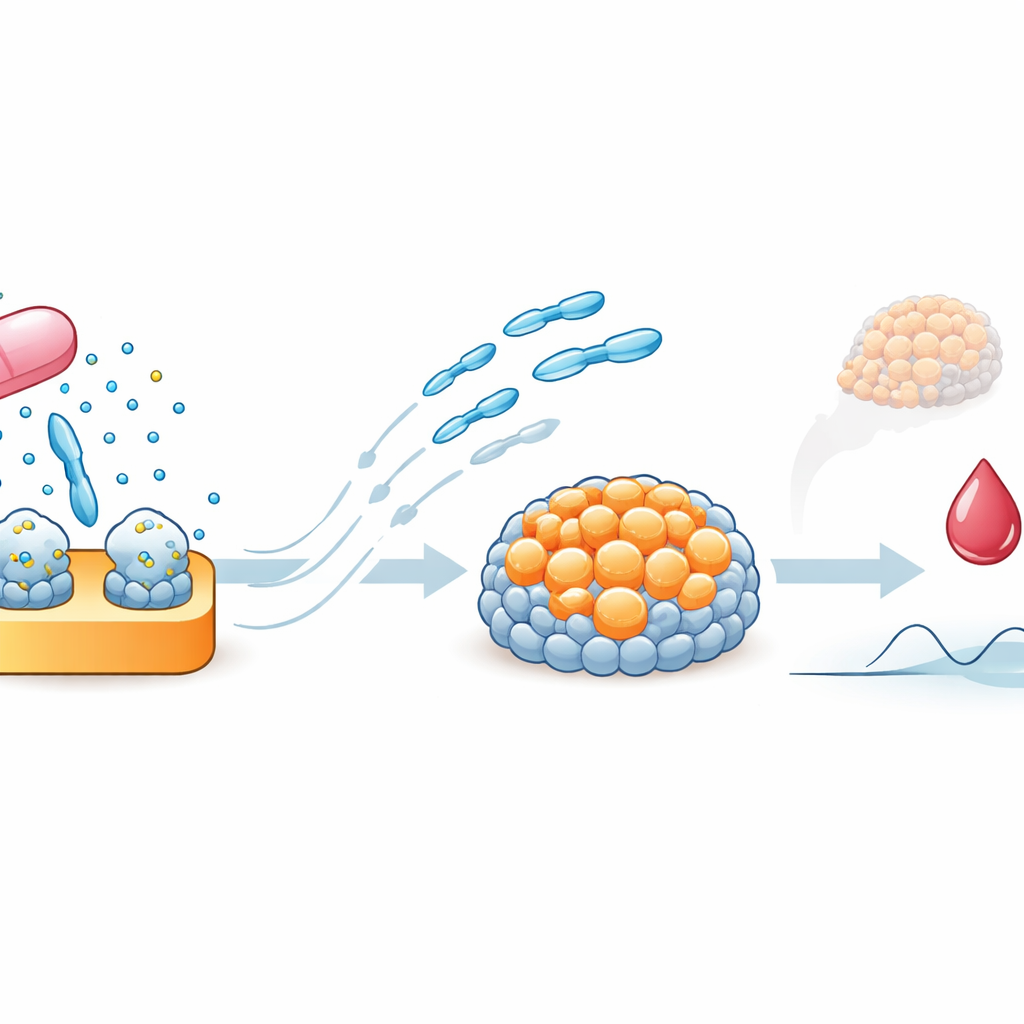
Although overall sugar control did not improve, there were signs that saxagliptin might help preserve the pancreas’s remaining insulin-producing cells. One key measure, the highest C-peptide level reached during the meal test, declined less in the saxagliptin group than in the insulin-only group over 24 weeks. This suggests that, on average, people taking saxagliptin maintained their own insulin response to food slightly better. The researchers also examined common genetic differences in genes related to the gut hormone system. In those taking saxagliptin, certain variants in the GLP-1 receptor and a processing enzyme (PCSK1/3) were linked to weaker improvement in HbA1c or fasting C-peptide, hinting that genetics may influence who benefits most from this treatment.
What this means for future care
For people with type 1 diabetes, this study indicates that simply adding saxagliptin to insulin is unlikely to dramatically smooth blood sugar swings or lower average glucose over six months. However, the drug may modestly support the survival or function of remaining insulin-producing cells in some individuals, and genetic makeup may help predict who responds best. While saxagliptin is not a replacement for insulin, these findings point toward a future in which additional medicines, selected with the help of genetic information, could be tailored to help certain people with type 1 diabetes better preserve their own insulin-making capacity.
Citation: Shi, Y., Shen, M., Gu, Y. et al. Heterogeneous effect of saxagliptin on glucose fluctuation and β-cell function in T1DM: a multicentre, randomised trial. Nutr. Diabetes 16, 5 (2026). https://doi.org/10.1038/s41387-026-00411-3
Keywords: type 1 diabetes, saxagliptin, beta-cell function, blood sugar variability, DPP-4 inhibitors