Clear Sky Science · en
Severe toxicity-free survival following acute lymphoblastic leukemia in patients aged 1–45 years: a Danish cohort study
Why surviving cancer is only part of the story
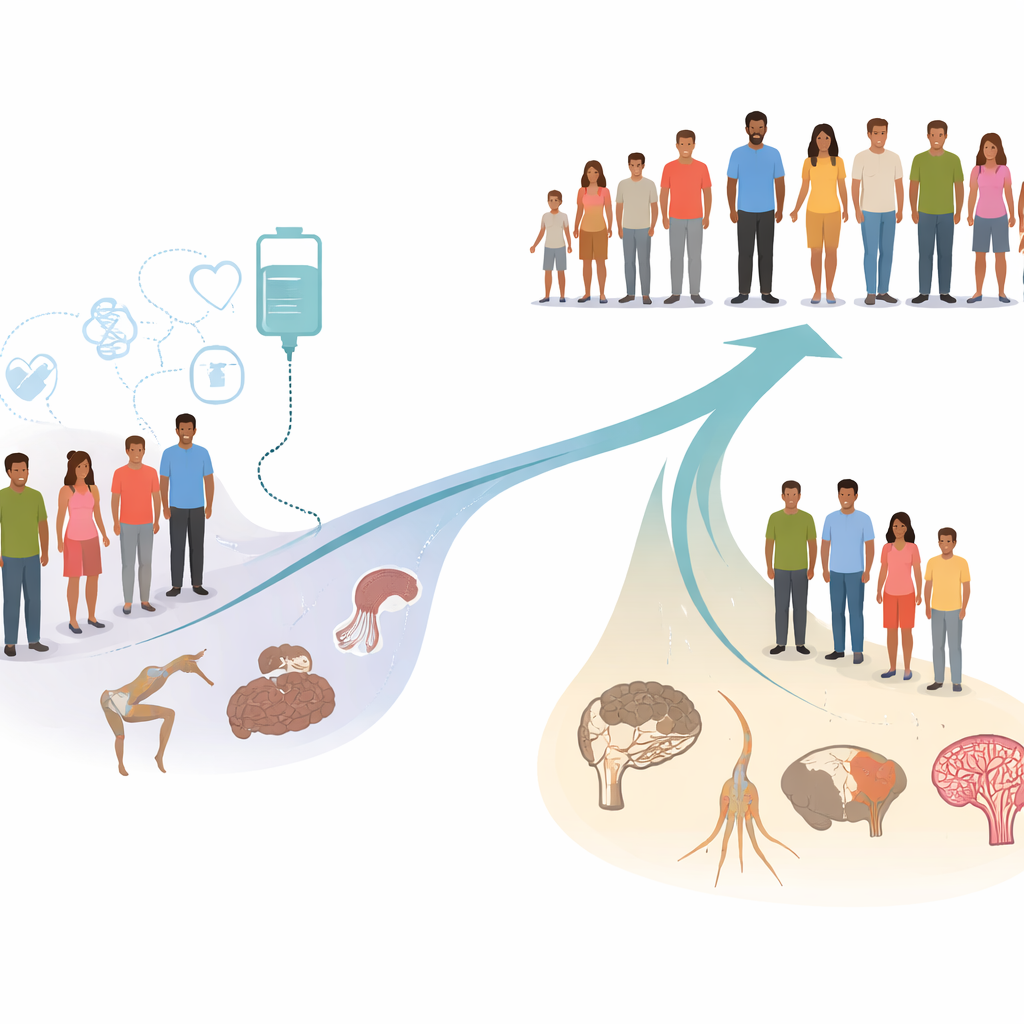
More and more children, teenagers, and adults with acute lymphoblastic leukemia (ALL) now survive their cancer, thanks to powerful modern treatments. But survival statistics alone do not reveal what life looks like after therapy ends. This Danish study follows 506 patients aged 1 to 45 years to ask a simple but crucial question: how many people are not only alive, but also free from the most severe, long-lasting treatment side effects? To answer it, the authors use a new measure called severe toxicity-free survival, shining a light on hidden health costs that can shadow survivors for years.
A closer look at life after leukemia
The researchers examined every person in Denmark aged 1 to 45 who was treated for a certain type of ALL between 2008 and 2019 under the same Nordic treatment plan. This plan is tailored by risk: some patients receive milder therapy, while others, especially those at higher risk of relapse, receive many blocks of intensive chemotherapy and sometimes a stem cell transplant. Because nearly all patients now live at least five years after diagnosis, the team could look beyond whether they beat the cancer and focus instead on serious, long-term health problems that appeared during years of follow-up.
Defining what counts as an unacceptable price
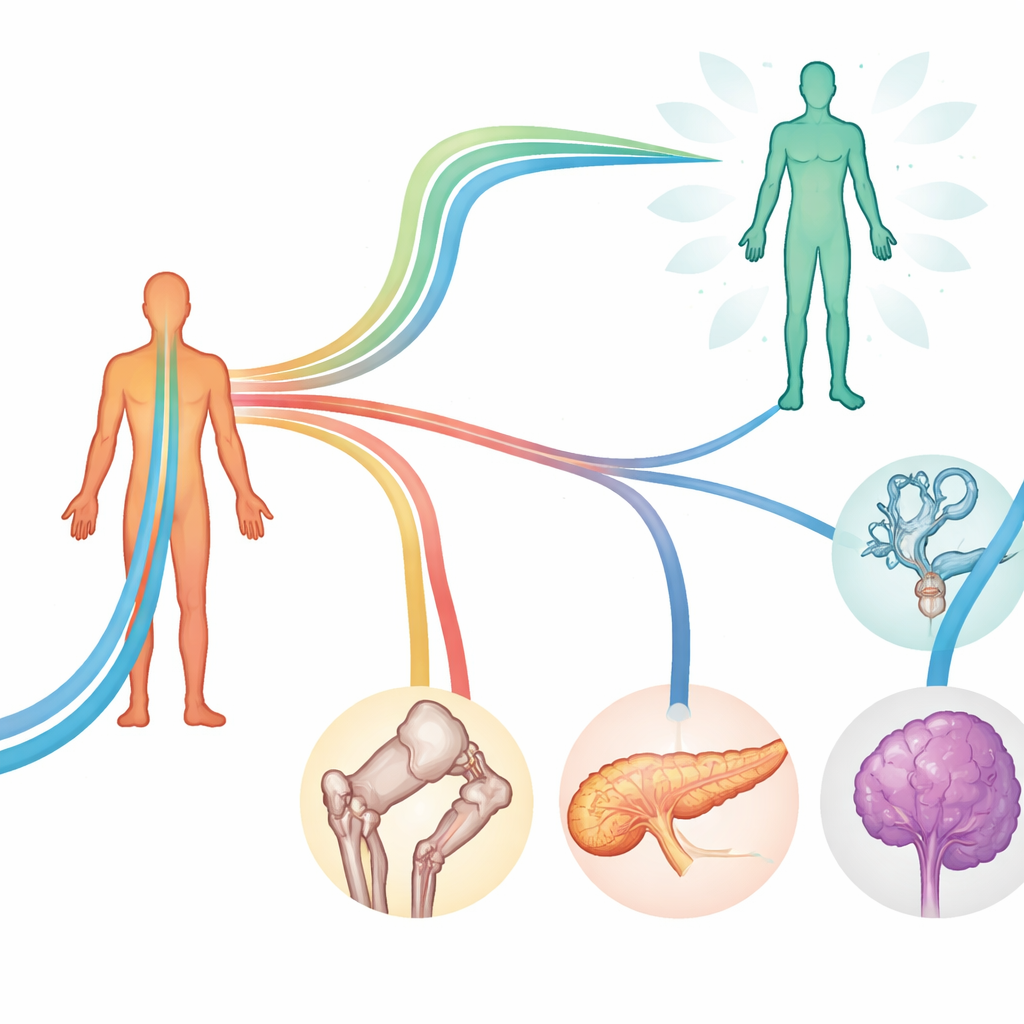
To capture the most serious harms, an international group of leukemia experts had previously agreed on 21 specific conditions they considered "severe toxicities." These are not mild or temporary side effects. They include, for example, brain injury, lasting heart or liver failure, blindness, severe bone damage in joints, disabling nerve problems, insulin-dependent diabetes that does not quickly resolve, and second cancers. To qualify, a problem had to be clearly documented in medical records, cause real symptoms, and often persist for at least 12 months. The new measure, called severe toxicity-free survival, counts how long a person remains alive without any of these major complications.
High cure rates, but a hidden burden
Overall, the news is encouraging: after five years, about 91% of all patients in the study were alive. But when the researchers asked how many were alive without any severe toxicity, the picture changed. Only about 83% had avoided such serious problems. Adults fared worse than children: five years after diagnosis, roughly 87% of children were free of severe toxicities, compared with only 69% of adults. The most frequent problems were severe bone damage in major joints (osteonecrosis) that limited everyday activities, and disabling nerve and movement disorders that sometimes required walking aids or wheelchairs. Insulin-dependent diabetes, second cancers, serious gut and liver disease, heart valve problems, psychiatric illness, and blindness also appeared, each in smaller numbers but together adding to the overall burden.
The risk peak in teenagers and young adults
Age turned out to be a powerful driver of risk. The youngest children, between 1 and 4 years old, had the lowest chance of developing a severe toxicity. Older children, teenagers, and adults were several times more likely to be affected, even after taking into account how aggressively they were treated. Adolescents aged 10 to 17 and adults had very similar risks, marking teenagers and young adults as a particularly vulnerable group. Relapse of leukemia and the need for second-line treatments, including stem cell transplantation, were also strongly linked to serious long-term harm, although many severe toxicities occurred even in people who never relapsed and received only standard frontline therapy.
What these findings mean for future care
The study shows that simply counting how many patients survive ALL is no longer enough. A meaningful picture of success must also include how many patients avoid life-changing complications. By tracking severe toxicity-free survival, doctors and researchers gain a clearer sense of the trade-offs between curing leukemia and preserving long-term health. The Danish data reveal that about one in ten survivors pays a heavy price, especially older children, teenagers, and adults. The authors argue that this new measure should become a routine part of clinical trials and follow-up care, helping to guide gentler treatment strategies, better prevention, and closer monitoring of those at highest risk so that more people can not only survive ALL, but also live well afterward.
Citation: Nielsen, C.G., Als-Nielsen, B., Albertsen, B.K. et al. Severe toxicity-free survival following acute lymphoblastic leukemia in patients aged 1–45 years: a Danish cohort study. Leukemia 40, 630–637 (2026). https://doi.org/10.1038/s41375-026-02873-x
Keywords: acute lymphoblastic leukemia, cancer survivorship, treatment toxicity, long-term side effects, adolescent and young adult cancer