Clear Sky Science · en
Angiotensinogen and its relationship with blood pressure in young adults: the African-PREDICT study
Why a blood protein in young adults matters
High blood pressure is often seen as a problem of middle and older age, yet the roots of hypertension can form much earlier in life. This study looks at a lesser-known blood protein called angiotensinogen in young, healthy adults and asks a simple but important question: does this early signal in the blood already relate to how high, or low, a person’s blood pressure is? Understanding this link could open new ways to detect and possibly prevent high blood pressure long before it causes harm.
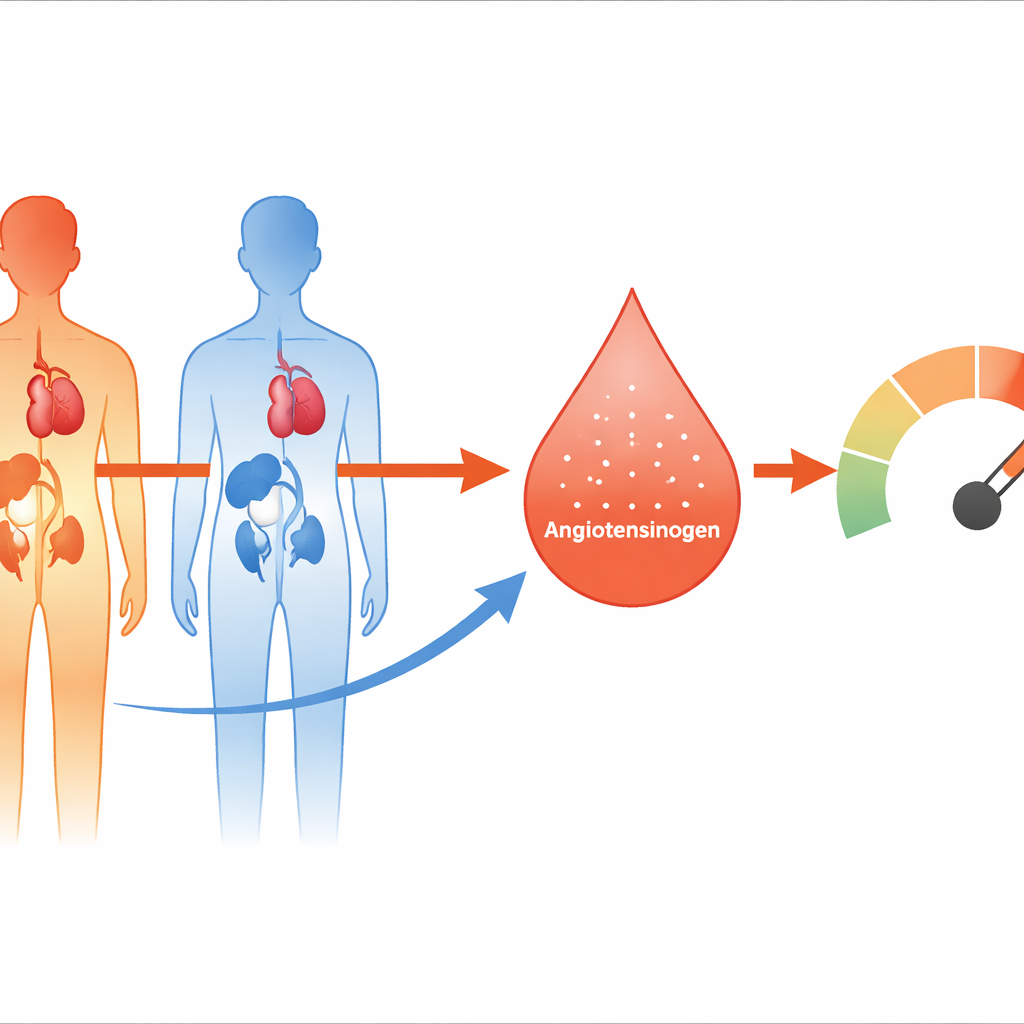
A closer look at a hormone system that shapes pressure
Our bodies control blood pressure through several intertwined systems, one of the most important being the renin–angiotensin–aldosterone system. Angiotensinogen is the starting material this system uses to make hormones that tighten blood vessels and raise pressure. While many common blood pressure drugs block the later steps of this pathway, its early steps, including angiotensinogen itself, have been less explored in real people. The researchers wanted to know whether the level of this protein in the bloodstream of young adults is already linked to different kinds of blood pressure measurements, which capture not only clinic readings but also pressure over 24 hours and in the body’s central arteries.
Who was studied and how pressure was measured
The team drew on data from the African-PREDICT study, which follows young adults in South Africa over time to uncover early markers of heart and blood vessel disease. For this analysis, they focused on 1144 Black and White men and women between 20 and 30 years old who were generally healthy and did not yet have diagnosed hypertension. Blood samples were used to measure angiotensinogen and other markers of health. Blood pressure was recorded in several ways: standard clinic readings in a seated position, continuous monitoring over 24 hours during day and night, and estimates of central blood pressure in the main artery near the heart. The researchers also considered factors such as body size, kidney function, cholesterol, salt intake and heart rate to see whether any relationships they observed were truly independent.
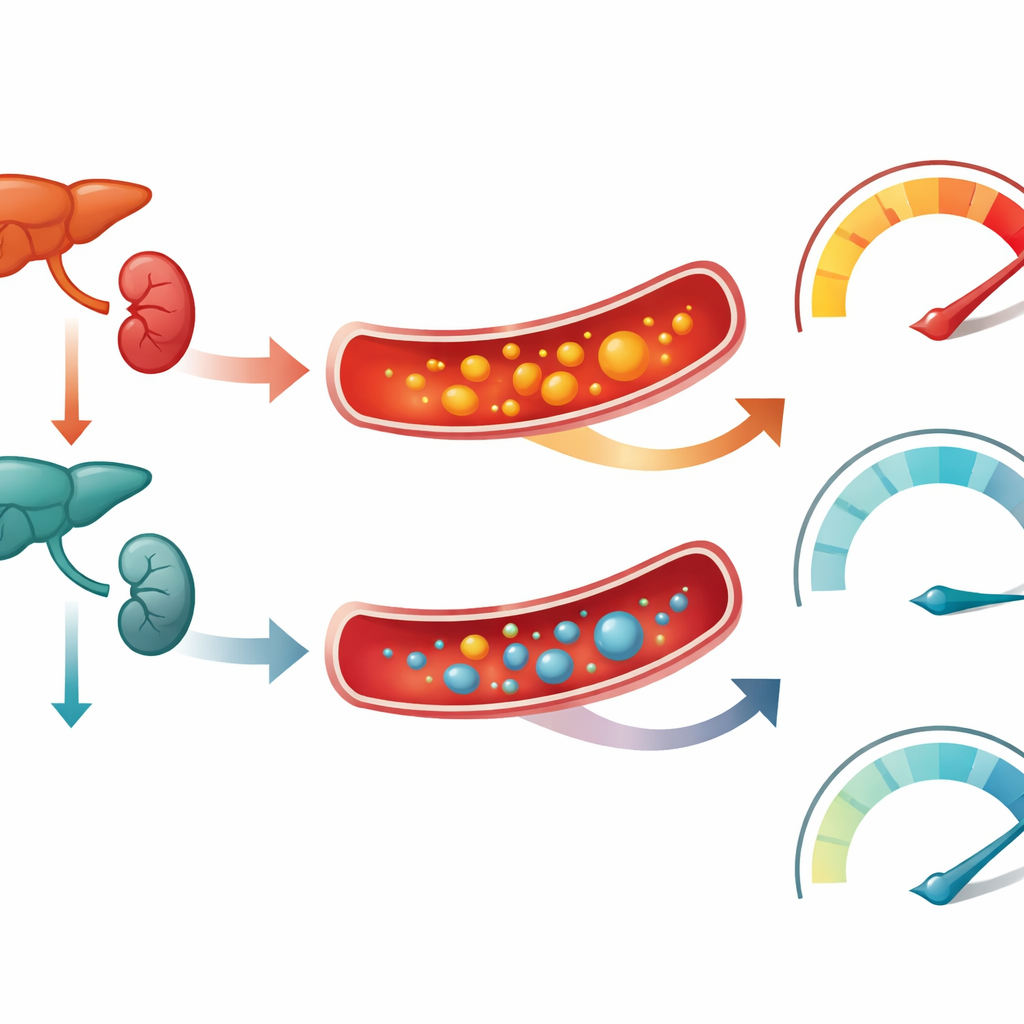
Different patterns between ethnic groups
When the researchers sorted participants by how much angiotensinogen they had in their blood, they found that young White adults, on average, had higher levels of this protein than their Black peers. At the same time, Black participants tended to show higher central and certain clinic blood pressure values despite having lower angiotensinogen. When the team ran more detailed analyses, they observed that, in the group as a whole, higher angiotensinogen was linked to higher clinic and ambulatory diastolic blood pressure, the “bottom” number that reflects how much pressure remains in the arteries between heartbeats. But once they separated the participants by ethnicity, these links remained only in the White group and disappeared in the Black group.
Heart rate and the subtle role of angiotensinogen
Because the nervous system can raise both heart rate and blood pressure at the same time, the researchers tested whether heart rate changed the picture. After they adjusted for heart rate, most of the links between angiotensinogen and blood pressure measured over 24 hours in White participants became weaker and were no longer statistically meaningful. However, standard clinic blood pressure—both the top (systolic) and bottom (diastolic) values—remained clearly related to angiotensinogen levels in White adults, even after these careful corrections. In contrast, among Black adults, none of the various blood pressure or pulse pressure measures showed a meaningful relationship with angiotensinogen, suggesting that other factors, such as salt handling and blood volume, may play a stronger role in their early blood pressure regulation.
What these findings might mean for prevention
For a lay reader, the core message is that even in young, seemingly healthy people, a blood protein that feeds into a major blood pressure control system already shows a detectable connection to everyday clinic blood pressure—but only in some groups. In young White adults, higher angiotensinogen goes hand in hand with higher clinic blood pressure, hinting that this protein may directly help set pressure levels before disease appears. In young Black adults, early blood pressure seems to be shaped more by other pathways. These findings suggest that future medicines or prevention strategies that lower angiotensinogen could be especially helpful for some populations, while others might benefit more from approaches that focus on salt intake, kidney function or volume control. Understanding these differences early on could support more tailored ways to prevent hypertension long before it becomes a lifelong burden.
Citation: Maseko, N.N., Uys, A.S., Maugana, V.F. et al. Angiotensinogen and its relationship with blood pressure in young adults: the African-PREDICT study. J Hum Hypertens 40, 209–216 (2026). https://doi.org/10.1038/s41371-026-01112-1
Keywords: angiotensinogen, blood pressure, young adults, renin angiotensin system, ethnic differences