Clear Sky Science · en
Elevated serum glucosylsphingosine level in children with obesity: relation to plasma atherogenesis
Why a Fat-Linked Blood Marker in Kids Matters
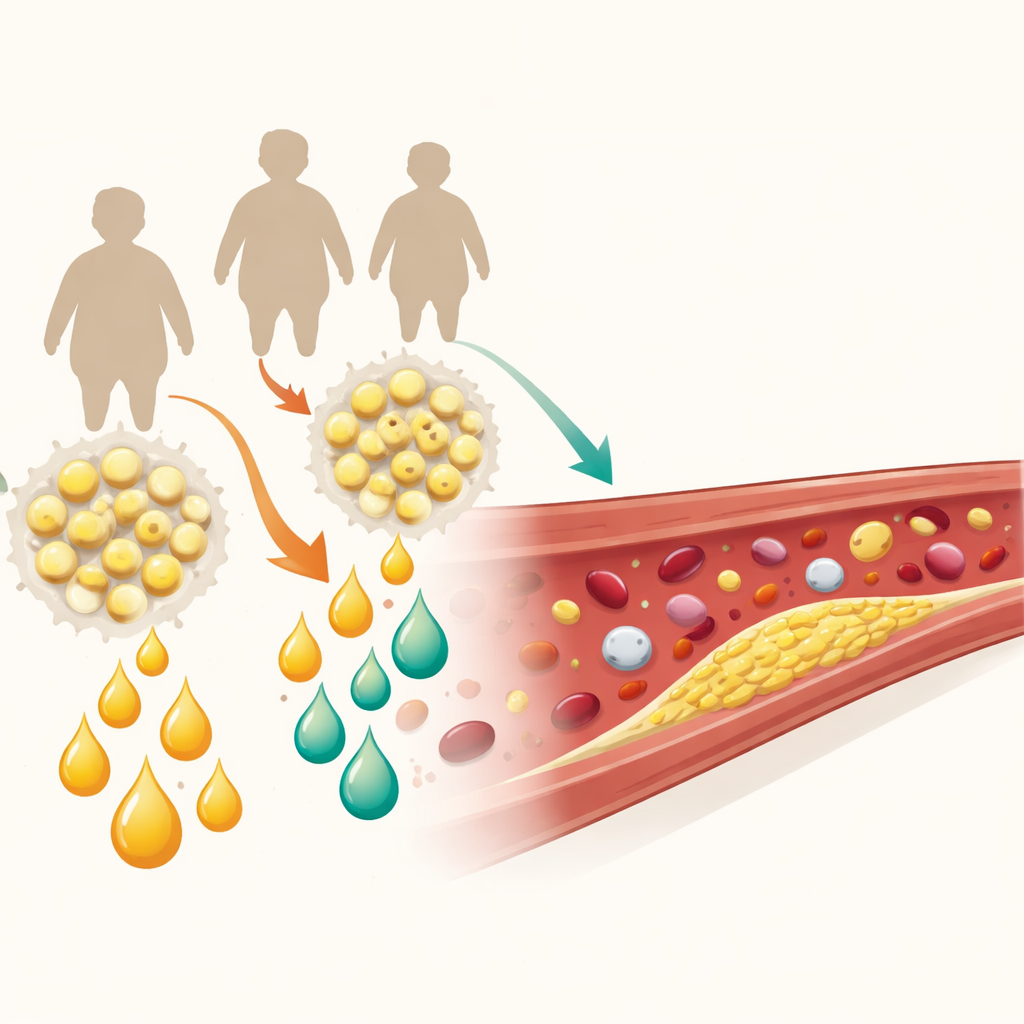
Childhood obesity is often described in terms of extra weight, but the real danger lies in silent changes happening inside the body. This study looks at a little-known fat-related molecule in the blood, called Lyso-GL-1, in children with obesity. The researchers asked whether higher levels of this molecule are linked to early warning signs of clogged arteries and problems with how the body handles sugar and fats—years before heart disease or diabetes actually appear.
A Closer Look at a Hidden Fat Molecule
Lyso-GL-1 is a breakdown product of certain complex fats found in cell membranes. It is well known in a rare disorder called Gaucher disease, but has hardly been studied in common conditions like childhood obesity. Scientists already suspect that related fats, called sphingolipids and ceramides, can interfere with how cells respond to insulin and may promote artery damage. This study set out to measure Lyso-GL-1 in children with obesity and see how it relates to body fat pattern, blood pressure, blood fats, and signs of strain on the blood vessels.
How the Study Was Carried Out
The research team examined 60 children with obesity, around 10 years old on average, and compared them with 60 healthy children of the same age and sex. They measured height, weight, waist and hip size, and blood pressure. From blood samples, they tested sugar levels, long-term sugar control (HbA1c), insulin levels, and common blood fats such as triglycerides, “bad” LDL cholesterol, and “good” HDL cholesterol. They then calculated an insulin resistance score and an "atherogenic index of plasma," a number based on triglycerides and HDL that reflects how likely blood is to promote artery-clogging changes. Finally, they measured Lyso-GL-1 with a sensitive laboratory test and used statistical methods to see how it lined up with all these health markers.
What the Researchers Found in Children’s Blood
Compared to their normal-weight peers, children with obesity had clearly higher levels of Lyso-GL-1 in their blood. They also had higher blood pressure, more insulin resistance, higher total and LDL cholesterol, higher atherogenic index, and lower HDL cholesterol. Within the obesity group, Lyso-GL-1 rose in step with several worrisome features: it increased as body mass index and waist-to-hip ratio increased, and as both upper (systolic) and lower (diastolic) blood pressure percentiles climbed. Children with higher Lyso-GL-1 also tended to have more insulin resistance and more atherogenic blood, strongly tying this molecule to early signs of metabolic strain.
Links to Early Artery Changes and Insulin Resistance
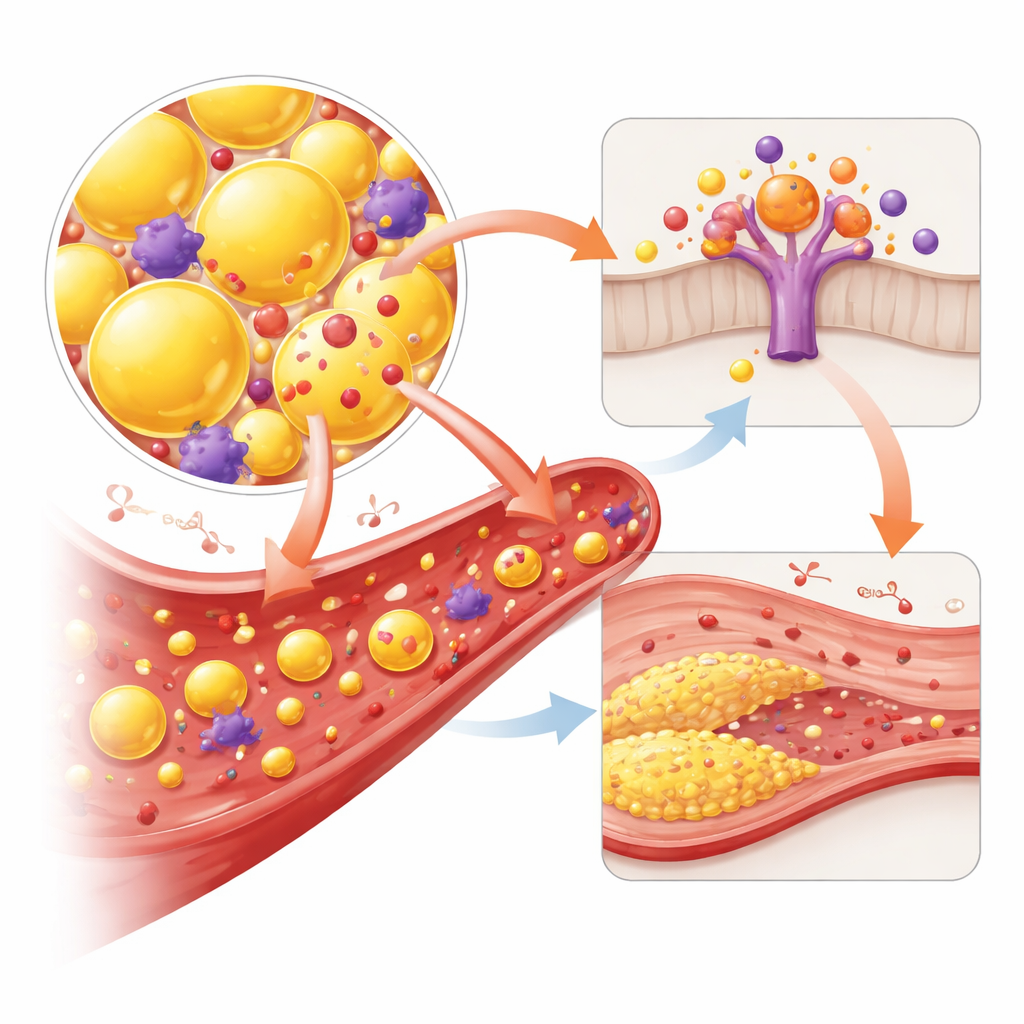
When the researchers adjusted for age, sex, height, and social background, Lyso-GL-1 remained closely linked to higher systolic blood pressure, higher LDL cholesterol, and a more atherogenic plasma index. These are all factors that, over years, can lead to hardened, narrowed arteries and cardiovascular disease. Interestingly, Lyso-GL-1 did not track with long-term blood sugar itself (HbA1c), but did relate to insulin resistance, suggesting it may play a role very early in the chain of events that eventually leads to diabetes, rather than reflecting established disease. The findings fit with other laboratory work showing that similar fats can trigger inflammation, stress inside cells, and changes in blood vessel walls.
What This Could Mean for Children’s Future Health
To a lay reader, the message is that not all fat in the body is the same. Certain hidden fat-related molecules, like Lyso-GL-1, may help explain why some children with obesity begin to develop high blood pressure, unhealthy cholesterol patterns, and stiffer arteries long before adulthood. This study suggests that Lyso-GL-1 could become an early warning sign—and perhaps a future drug target—for preventing heart and blood vessel disease, as well as insulin resistance, in young people with obesity. More long-term studies are needed, but watching such markers could one day help doctors identify at-risk children sooner and tailor treatments before lasting damage occurs.
Citation: Salah, N.Y., Abdel Hakam, D., Abdullah, F.A. et al. Elevated serum glucosylsphingosine level in children with obesity: relation to plasma atherogenesis. Int J Obes 50, 861–868 (2026). https://doi.org/10.1038/s41366-025-02016-9
Keywords: childhood obesity, insulin resistance, cardiovascular risk, glucosylsphingosine, blood lipids