Clear Sky Science · en
Estimating the effect of hypothetical dietary protein interventions on changes in body composition of postmenopausal women over 3 years using data from the Women’s Health Initiative (WHI) Study: an emulated target trial
Why Protein Matters After Menopause
As women age and pass through menopause, their bodies naturally tend to lose muscle and gain fat, especially deep belly fat. This shift in body composition is not just cosmetic—it is closely tied to risks for diabetes, heart disease, and mobility problems. Yet current dietary guidelines for protein were not designed specifically with older women in mind. This study asks a practical question many women and clinicians care about: would eating more protein than the standard recommendation help postmenopausal women maintain a healthier balance of muscle and fat over several years?
How Women’s Bodies Change With Age
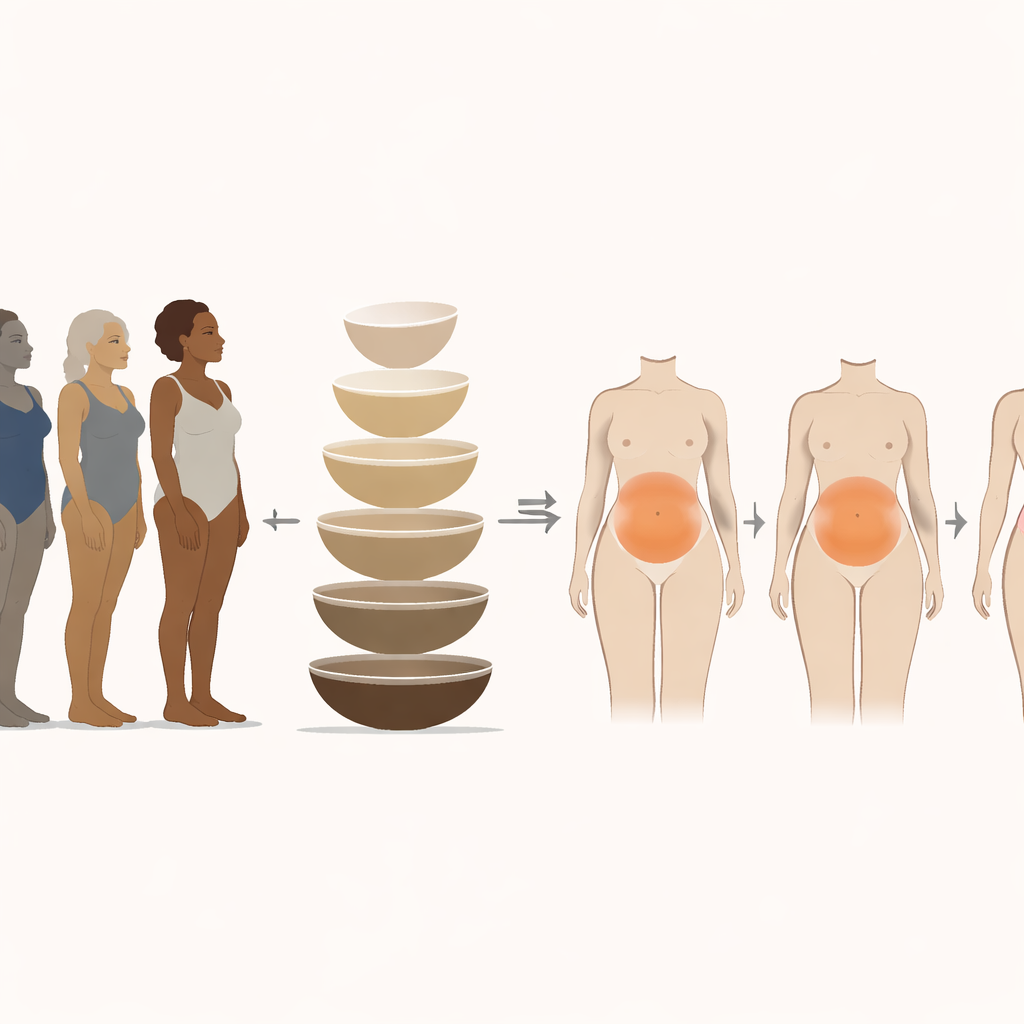
During and after menopause, many women notice that weight seems to “move” to the midsection, and that it becomes harder to keep up strength. Scientific measurements confirm this pattern: skeletal muscle tends to decline while overall and abdominal fat increase. Deep abdominal fat wrapped around internal organs is particularly worrisome because it is strongly linked to chronic diseases and reduced quality of life. Preventing excess buildup of this fat while preserving lean tissue has become a key goal for healthy aging.
The Big Question About Protein
Protein helps build and repair muscle and can influence how our bodies use and store energy. Short-term experiments and observational studies have hinted that higher protein intake might help older adults keep more muscle and manage weight better, but solid long-term evidence in large groups has been limited. Official guidelines recommend at least 0.8 grams of protein per kilogram of body weight per day, while expert groups focused on aging have suggested that older adults may benefit from 1.0 to 1.2 grams per kilogram or more. This study set out to estimate what might happen to body fat and lean tissue if postmenopausal women were to follow higher protein intakes over a three-year period.
Using Existing Data to Mimic a Long Trial
Rather than running an expensive and difficult three-year feeding trial, the researchers used a creative approach called a “target trial emulation.” They drew on detailed data from nearly 4,700 postmenopausal women in the Women’s Health Initiative, a large U.S. study. These women had completed diet questionnaires and undergone precise body scans that measured total body fat, lean tissue, body weight, and both deep (visceral) and just-under-the-skin (subcutaneous) abdominal fat. The team used advanced statistical methods to simulate what would happen if every woman had, in theory, followed one of several protein intake levels over three years: usual intake, at least 0.8, 1.0, 1.2, or 1.5 grams of protein per kilogram of body weight per day.
What Higher Protein Was Estimated to Do
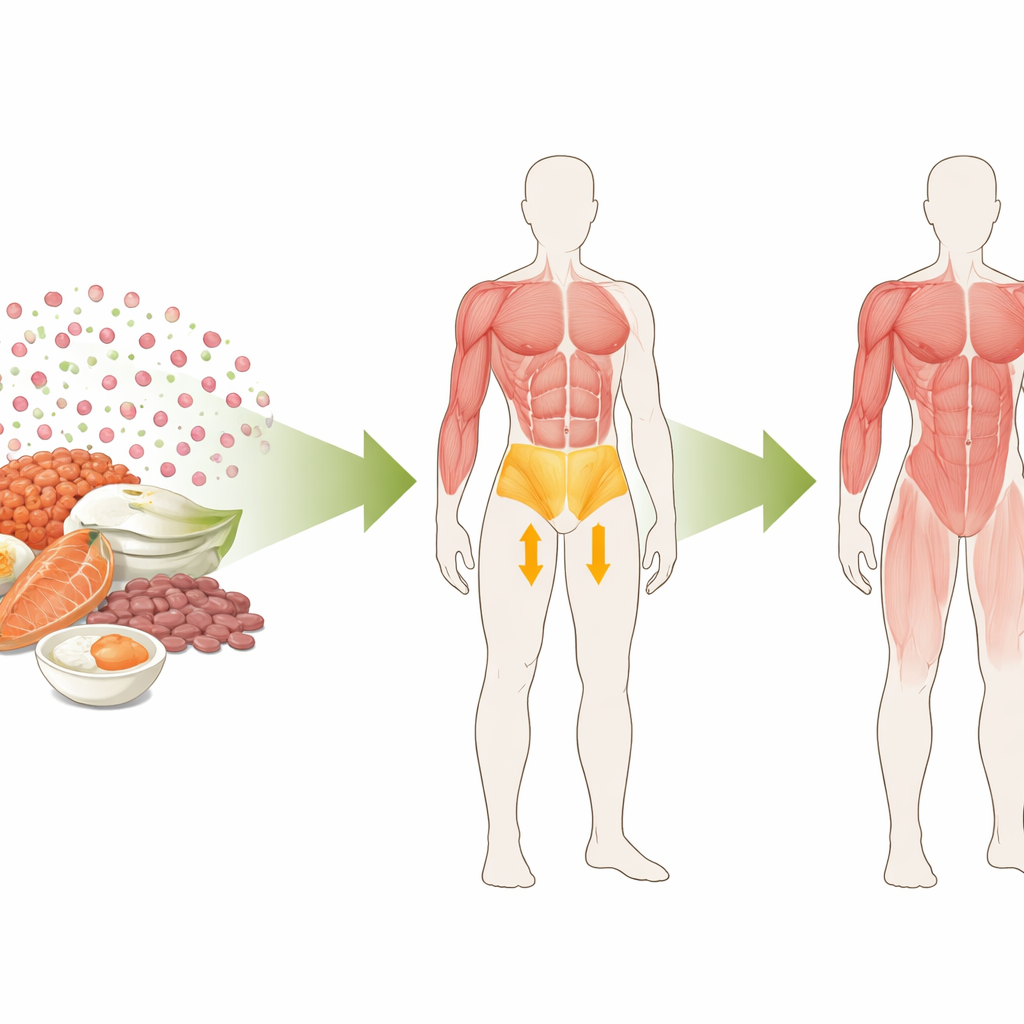
The simulations suggested a clear pattern: higher protein intakes were associated with more favorable body composition after three years. When the hypothetical diet reached at least 1.2 grams of protein per kilogram per day, the women were estimated to have less deep belly fat and less fat under the skin of the abdomen, slightly lower overall body fat percentage and body weight, and a higher proportion of lean tissue compared with doing nothing different. The strongest estimates came at 1.5 grams per kilogram per day, where women were projected to carry noticeably less abdominal fat and weigh about 2.5 kilograms less on average, while maintaining a greater share of lean mass. These changes were modest in size but consistently pointed toward a healthier body profile.
What This Means for Everyday Life
For postmenopausal women, the study’s message is that aiming above the standard protein guideline—toward at least 1.2 grams of protein per kilogram of body weight per day, and possibly up to 1.5 grams—may help tilt the balance away from harmful belly fat and toward more lean tissue over time. The work does not prove cause and effect the way a tightly controlled clinical trial would, and it does not specify the best protein sources. Still, by combining rich long-term data with careful modeling, it supports the idea that many older women might benefit from somewhat higher protein intakes than are currently recommended, as part of an overall healthy lifestyle geared toward maintaining strength, mobility, and lower chronic disease risk.
Citation: Li, J., Jiang, L., Saquib, N. et al. Estimating the effect of hypothetical dietary protein interventions on changes in body composition of postmenopausal women over 3 years using data from the Women’s Health Initiative (WHI) Study: an emulated target trial. Int J Obes 50, 609–617 (2026). https://doi.org/10.1038/s41366-025-01978-0
Keywords: postmenopausal women, dietary protein, body composition, abdominal fat, healthy aging