Clear Sky Science · en
Anti-aging effect of Hedgehog signaling
Why This Matters for Growing Older
Aging touches every one of us, bringing slower healing, fading strength and a higher risk of chronic disease. This review explores an unexpected ally in the fight against age-related decline: the Hedgehog signaling pathway, a molecular communication system best known for shaping embryos and driving some cancers. Recent research suggests that, when carefully tuned, this pathway can help adult tissues repair themselves, keep stem cells working, and calm damaging inflammation—key ingredients for extending the healthy years of life, or healthspan.
A Master Repair Signal in the Body
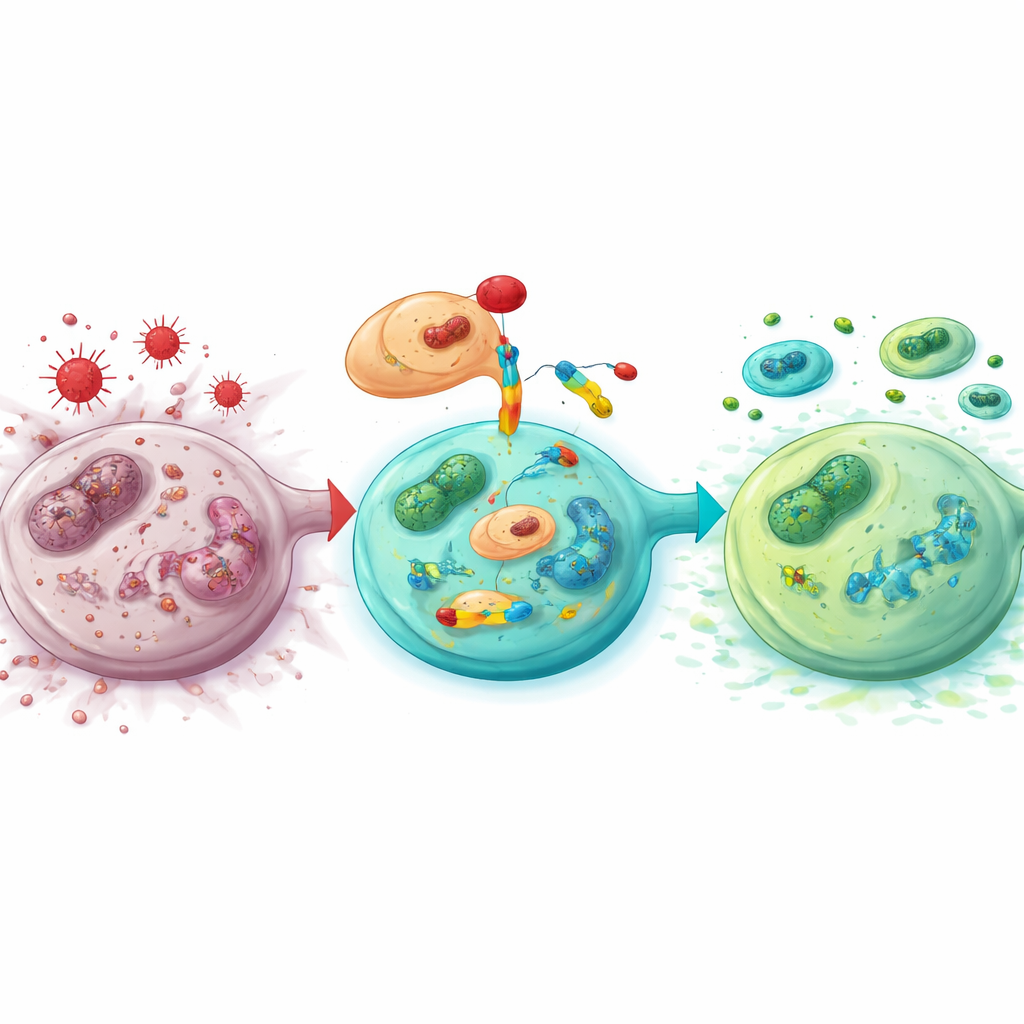
The Hedgehog pathway acts like a set of on–off switches that cells use to talk to one another about growth, repair and identity. In adults, it is usually quiet but can switch on after injury. When one of its protein "ligands" is released by a cell and sensed by a neighbor, it triggers a cascade inside the target cell that ultimately changes which genes are active. This review argues that many classic features of aging—such as worn-out stem cells, faltering energy production in mitochondria and smoldering low-grade inflammation—can be eased when Hedgehog signaling is briefly and precisely activated. Across many organs, this results in better survival of vulnerable cells, more effective regeneration and fewer harmful secretions from senescent, or "aged," cells.
Protecting Brain, Heart, Lung and Liver
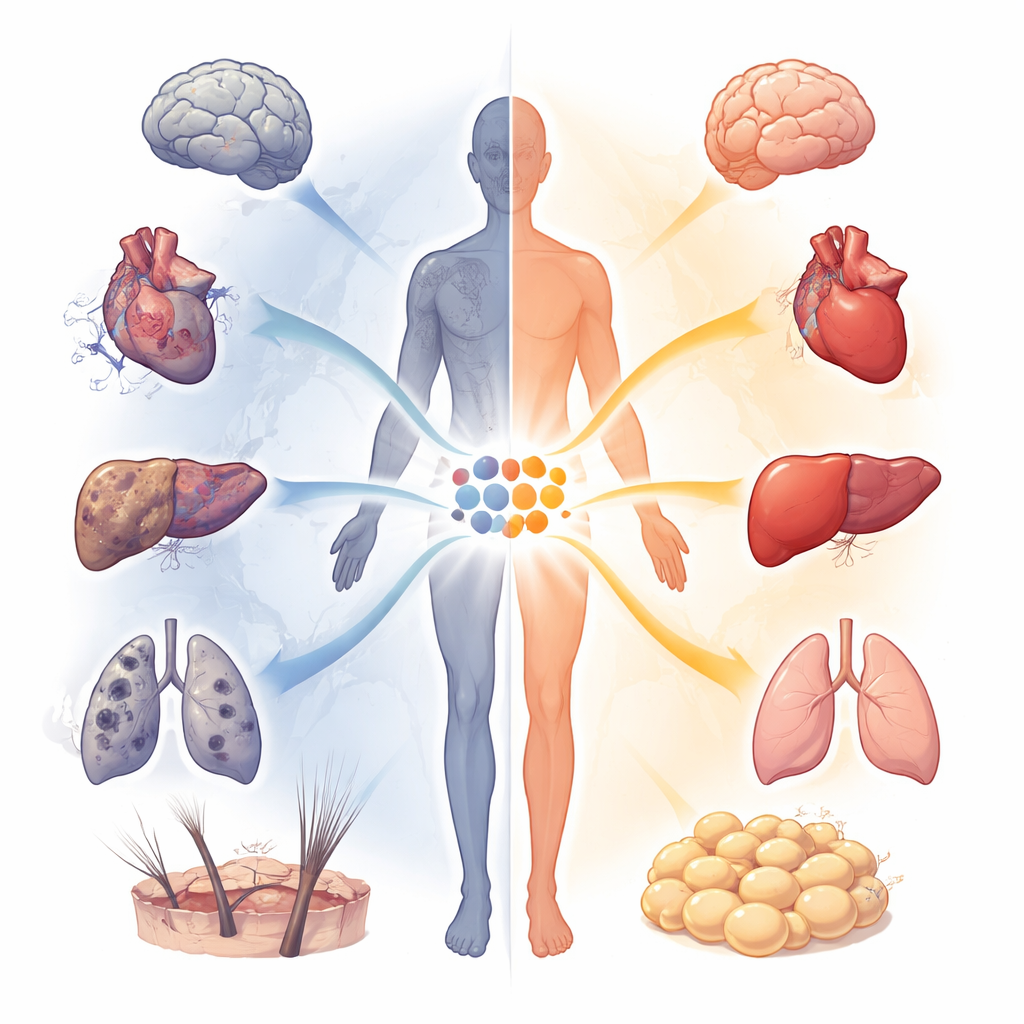
In the brain, controlled Hedgehog activity supports the birth of new neurons, strengthens connections between existing ones and improves the energy factories inside nerve cells. Studies in older mice show improved memory and protection against damage similar to that seen in Parkinson’s disease when this pathway is nudged on. In the heart, Hedgehog signals encourage the growth of new blood vessels, help heart muscle cells survive after injury and boost the limited pool of cardiac progenitor cells that can rebuild damaged tissue—effects that weaken with age but can be rekindled experimentally. In the lungs, fine-tuning of Hedgehog-related molecules helps rebuild the delicate air sacs after injury and guards against scarring, a common driver of age-related breathing problems. The liver offers perhaps the clearest example of a double-edged role: short, well-timed activation supports regrowth after surgery or toxic damage and keeps liver cells metabolically flexible, while either excessive or completely blocked signaling can fuel fibrosis, fat buildup or even tumors.
Strengthening Skin, Bone and Metabolism
Hedgehog signaling also influences tissues we notice every day—skin, hair, bone and fat. In the skin, it helps maintain the stem cells that drive hair growth and wound repair, and can reprogram nearby support cells into a more youthful, regenerative state. In bones and joints, it keeps skeletal stem and progenitor cells from becoming senescent, promotes bone-building cells and helps cartilage cells resist wear-and-tear changes linked to osteoarthritis. At the same time, Hedgehog signals tend to steer versatile stem cells away from becoming fat cells and toward bone or cartilage lineages. This shift may counteract the tendency in aging for bones to weaken while fat accumulates in the marrow and elsewhere, contributing to both frailty and metabolic disease.
New Ways to Use the Pathway in Medicine
Because the Hedgehog system can both encourage repair and, when misused, drive cancer, researchers are exploring highly targeted ways to tap into its benefits. Experimental approaches include gene therapies that deliver the Hedgehog signal only to injured sites, biomaterial scaffolds that slowly release Hedgehog proteins where tissue needs to regrow and small molecules that briefly activate key components inside cells. Some studies show that activating the pathway can dial down the toxic secretions of senescent cells without killing them, potentially turning damaging "zombie" cells into quieter neighbors. Others find that Hedgehog-based treatments boost blood vessel growth, protect nerve cells and improve organ function after radiation or ischemic injury. Still, the review emphasizes that long-term or body-wide activation could raise the risk of fibrosis or tumors, underscoring the need for careful dosing, timing and tissue targeting.
What This Means for Healthy Aging
Taken together, the evidence paints Hedgehog signaling as a powerful but delicate lever for influencing how we age. When tuned just right, it can help organs from brain to liver to bone preserve their structure, keep stem cells active and rein in chronic inflammation—countering several hallmarks of aging at once. Yet the same machinery, if pushed too hard or in the wrong context, can promote uncontrolled growth and cancer. The authors conclude that future anti-aging therapies may safely harness this pathway only with precise control over where, when and how strongly it is activated, guided by new delivery technologies and biomarkers. If that balance can be struck, Hedgehog signaling could become a central tool in extending healthspan, allowing more people to stay vigorous and independent later into life.
Citation: Kim, JH., Hwang, J.Y., Jun, J.H. et al. Anti-aging effect of Hedgehog signaling. Exp Mol Med 58, 336–344 (2026). https://doi.org/10.1038/s12276-025-01626-7
Keywords: Hedgehog signaling, healthy aging, tissue regeneration, stem cells, cellular senescence